Species

Already know what you're looking for?

Species Discovery Filters

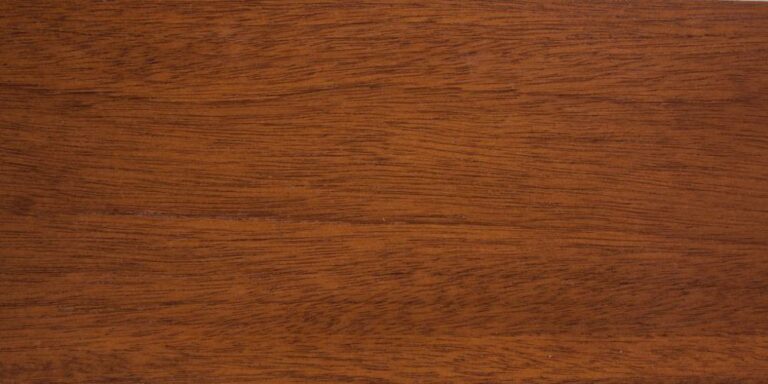
Sapele lumber at Rare Woods USA
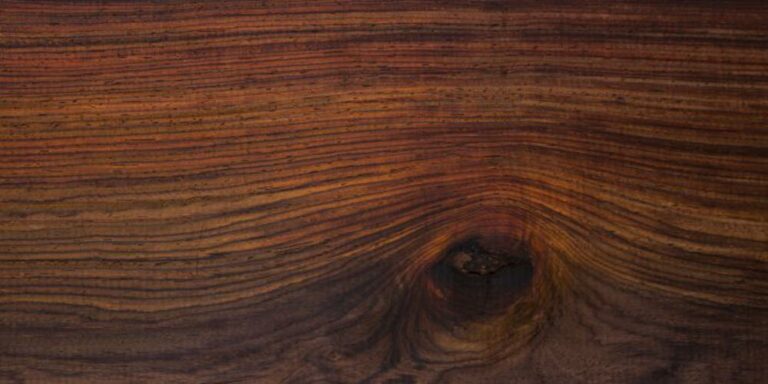
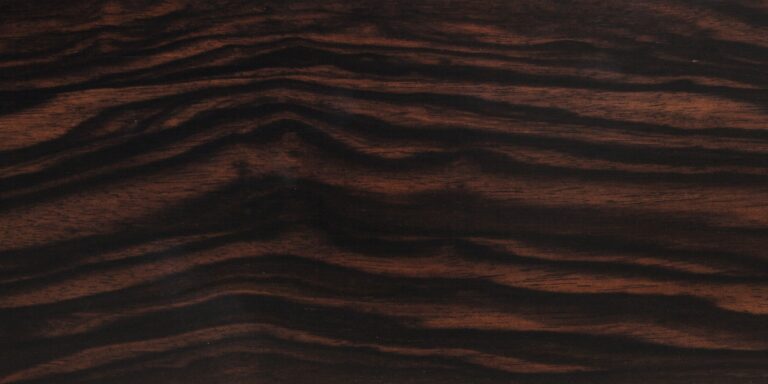
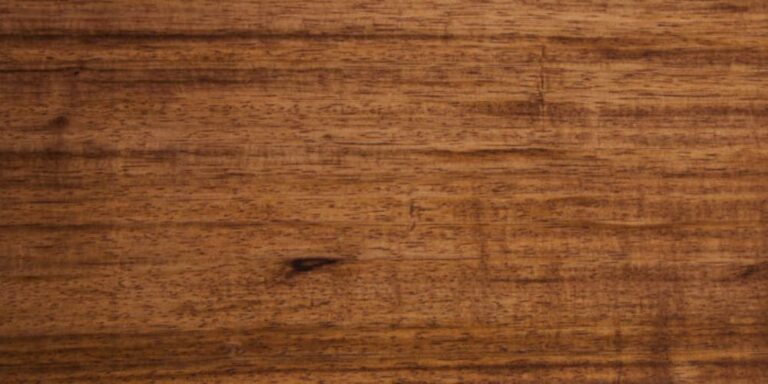
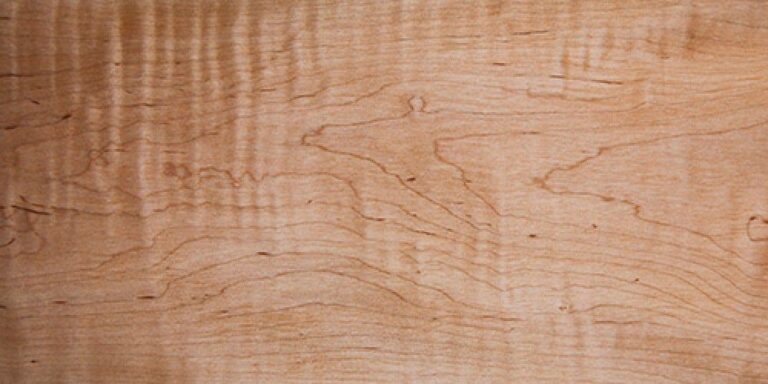
Sapele (Entandrophragma cylindricum) is an important African hardwood from the mahogany family, grown across tropical West and Central Africa. It's one of the most popular substitutes for Genuine Mahogany, at a significantly lower price.Its color ranges from light golden brown to darker reddish or pinkish-brown, darkening with age. It's moderately durable and stable, with a beautiful natural luster and a faint cedar-like scent when cut.Sapele is famous for its figure, especially the ribbon stripe on quartersawn boards, and you'll also find pommele, quilted, mottled, waterfall, beeswing and fiddleback. Highly figured boards can command high prices. It works, turns and finishes beautifully, though interlocked grain can tear out when planed, so take light final passes.The trees grow very large, so wide, long boards are readily available. Sapele is used for furniture, cabinetry, doors, windows, guitar backs, sides and necks, boatbuilding, flooring, turnings and veneer. For a close cousin, see Sipo.
boatbuilding, cabinetry, flooring, furniture, specialty items, turnings, utility lumber, veneer
Detail
Detail
Common Uses
Marblewood lumber at Rare Woods USA
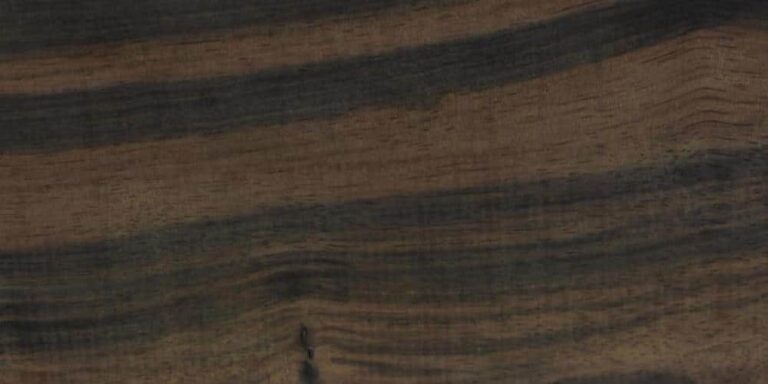
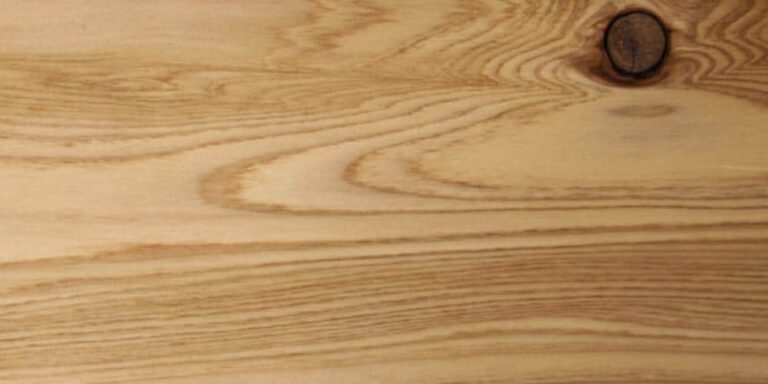
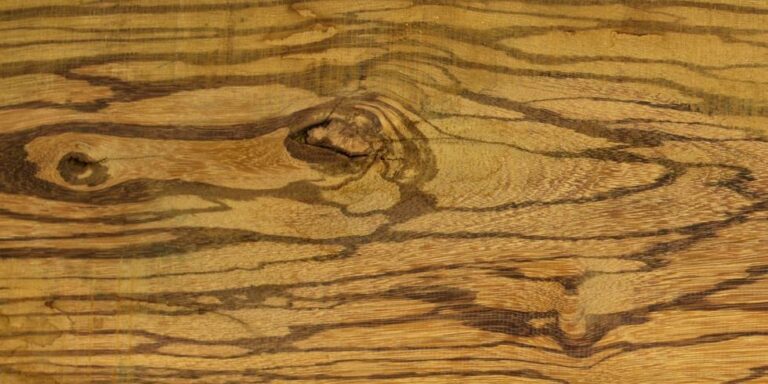
Marblewood (Zygia racemosa) is a South American hardwood that gets its name from its marble-like look: pale yellow wood streaked with dark brown, purple or black.Only the heartwood carries the striping, which is random and irregular, so no two pieces are alike. It looks a little like Zebrawood, but it's coarser and unrelated. Premium boards have bold, high-contrast stripes with few defects.It's heavy, dense and strong, which can make it hard to work, especially where the grain is interlocked, but it's very stable and can be sliced thin and hold its shape. It's also resinous, so thorough kiln-drying is essential if you plan to finish it. Small surface checks that won't sand out are common, so pick boards carefully. Sharp blades and a bit of patience deliver stunning results.Marblewood is popular with turners, and its strength and durability also suit flooring, furniture, cabinetry, carving, knife handles and veneer. For another striped wood, see Goncalo Alves.
cabinetry, carving, flooring, furniture, turnings, utility lumber, veneer
Detail
Detail
Common Uses
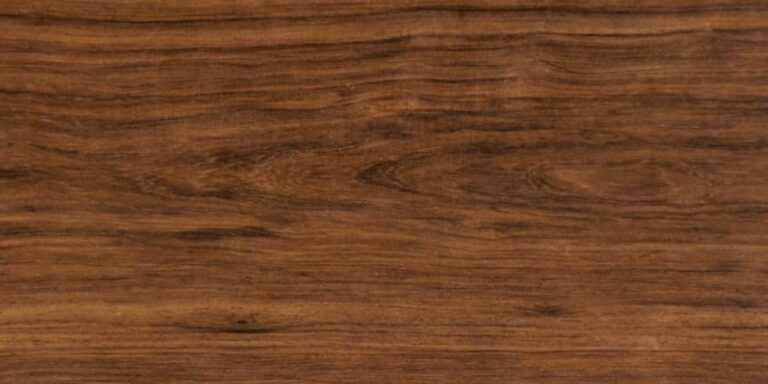
Louro Preto lumber at Rare Woods USA
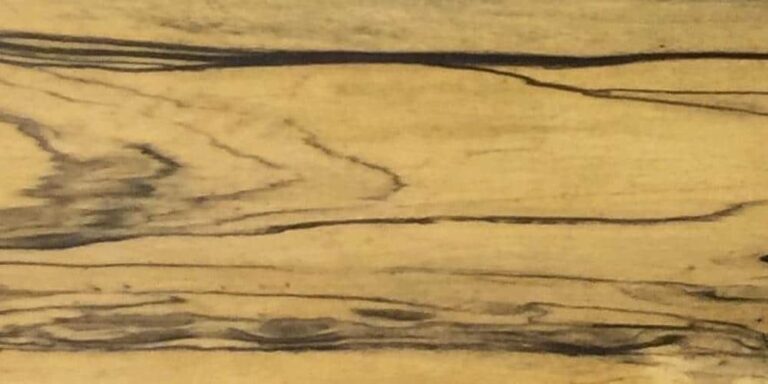
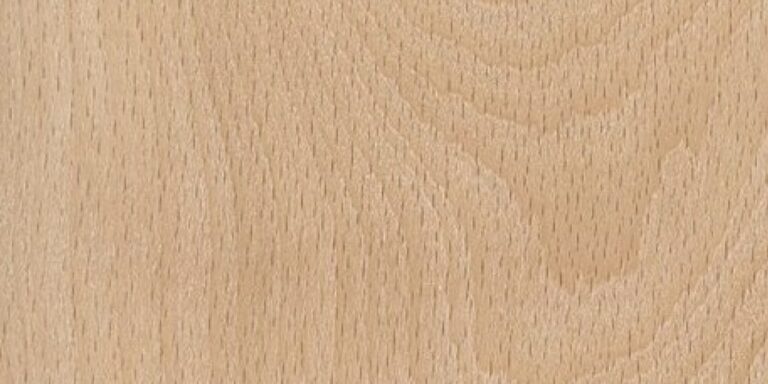
Louro Preto (Cordia spp.), also called Laurel Negro, is a South American hardwood and a close relative of Bocote and Ziricote, though it's often overshadowed by them.The heartwood is typically medium brown with red and green tints, sometimes with bold dark brown lines and streaks, and it darkens considerably with exposure to light. The sapwood is pale and easy to spot. The grain is calmer than its cousins', usually straight or somewhat irregular, with a fine to medium texture and the impressive natural luster typical of the genus.Despite its natural oils, it usually glues well, and it's easy to work, though some boards contain silica, which can dull blades. It turns smoothly and finishes to a lovely sheen.Supply in the US has always been limited, partly because demand has gone to its flashier cousins, but Louro Preto is a handsome, understated choice for furniture, cabinetry, boxes, guitar backs and sides, turnings and veneer.
cabinetry, furniture, turnings, veneer
Detail
Detail
Common Uses
African Mahogany lumber at Rare Woods USA
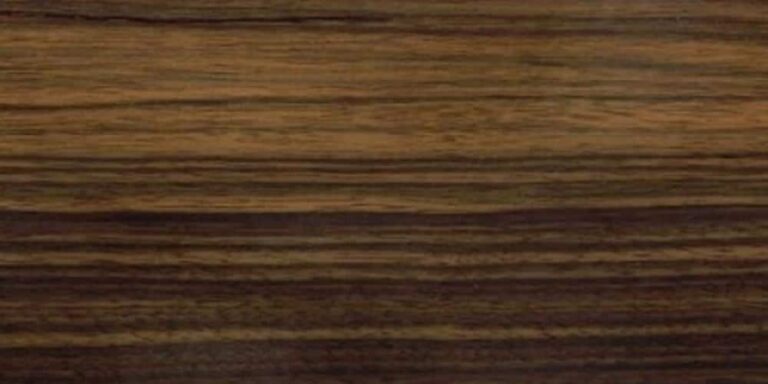
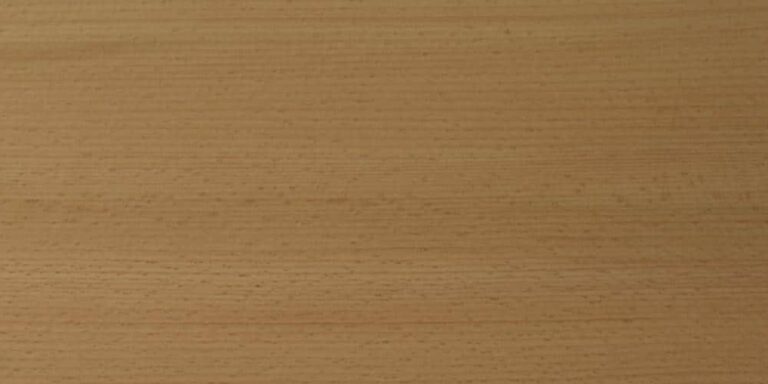
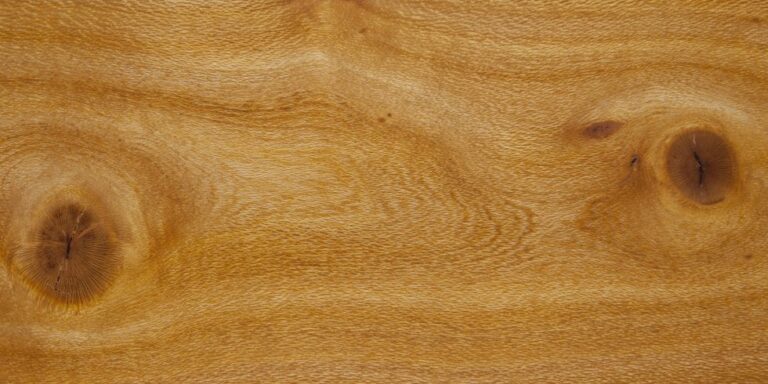
African Mahogany (Khaya spp.) covers four closely related species and is one of Africa's most commercially important woods. It grows across tropical West and Central Africa and is a strong, tough, durable wood with many of the same qualities as Genuine Mahogany.Depending on origin and species, it ranges from pale pink or muted orange to darker reddish or golden brown, sometimes with darker stripes, and it deepens in color over time. Ribbon, wavy and mottled figure and varying chatoyance can make it very attractive.The grain is straight or interlocked, with a medium to coarse texture. It works, turns and finishes easily, though interlocked boards can tear out when planed, so take light passes. It glues well and takes stain evenly.Its popularity as a mahogany substitute has led to plantations in Latin America as well as Africa. It's used for fine furniture, cabinetry, boatbuilding, guitar necks and bodies, turnings, millwork and veneer. For a close alternative, see Sapele.
boatbuilding, furniture, lutherie, turnings, veneer
Detail
Detail
Common Uses
Iroko lumber at Rare Woods USA
Iroko (Milicia spp.) is a tough, durable hardwood from tropical West and Central Africa that's often used in place of Teak. It's one of Africa's most important timbers.Its golden to medium brown color, coarse texture and interlocked grain give it a very Teak-like look. Freshly cut, it can be quite yellow, but it darkens to a richer brown with age and light exposure.It's lighter than Teak but resistant to rot and insects and strong for its weight, with good stability once dry. Despite the interlocked grain, it isn't difficult to work, and it glues and finishes well. Occasional hard mineral deposits can dull blades, and the dust can irritate, so wear a mask when machining.Iroko has long been used across Africa in many of the same roles Teak fills elsewhere. It's a great choice for boatbuilding, outdoor furniture, decking, flooring, cabinetry, countertops and general construction, and it offers Teak-like performance at a friendlier price.
boatbuilding, cabinetry, construction, flooring, furniture, specialty items, turnings, utility lumber, veneer
Detail
Detail
Common Uses
Kiaat Lumber @ Rare Woods USA

Kiaat (Pterocarpus angolensis), also called Mukwa, Muninga or Bloodwood in parts of Africa, is a close relative of African Padauk. It grows across the woodlands of southern and central Africa and has been used there for centuries.

The heartwood ranges from light golden brown to medium brown with a reddish or purplish tint, often with attractive darker streaks. The grain can be straight, wavy or interlocked, and the texture fine to medium with a nice luster. When the tree is cut, it bleeds a red sap, which gave rise to some of its local names.

It's lighter than Padauk but strong for its weight, very stable with extremely low shrinkage, and resistant to insects and termites. It works easily, and it turns, glues and finishes well, making it a pleasure in the workshop.

The trees are fairly small, so large boards are rare and it's seldom seen in the US. In southern Africa, Kiaat is a favorite for fine furniture and was traditionally used for dugout canoes and paddles. It's a versatile wood for furniture, boatbuilding, turnings, carving, veneer and specialty pieces.

boatbuilding, furniture, specialty items, turnings, veneer
Detail
Detail
Common Uses
Amara Ebony lumber at Rare Woods USA
Amara Ebony (Diospyros celebica) is generally regarded as the same species as Macassar Ebony, with Amara coming only from Indonesia. Its different look is put down to local soil conditions, and it's a wood rarely seen in the US.It's typically deep chocolate brown with pink striping, but we've also seen boards with greens and reds, more like Malaysian Blackwood, and others with gold and orange hues. Some show “landscape” grain patterns that make them look like a cross between the two. The sapwood is tan.The grain is more often wavy or irregular than straight, with a fine texture and a nice natural luster. We've found it slightly less dense than Macassar Ebony, and despite its density it works well, turning and polishing to a beautiful finish. Sharp tools help, and the fine dust is best handled with good extraction.Amara is a distinctive choice for carving, inlay, turnings, boxes, furniture accents, veneer and specialty pieces, anywhere you want an ebony that's a little out of the ordinary.
carving, furniture, inlay, specialty items, turnings, veneer
Detail
Detail
Common Uses
Indian Ebony lumber at Rare Woods USA
Indian Ebony (Diospyros ebenum), also called Ceylon Ebony, is a true ebony from southern India and Sri Lanka that has long been used in place of Gabon Ebony. At first glance the two can be almost impossible to tell apart.It's jet black, often with subtle brown or muted orange streaks and occasional pale sapwood. The grain is straight or slightly irregular and the texture very fine, and its natural oils give it excellent polish and a deep luster.It's a little less hard than Gabon Ebony but still very hard and durable, and turners love how smoothly it works. It cuts cleanly with sharp tools and holds fine detail, though its oils mean gluing benefits from a solvent wipe first.Indian Ebony is used for high-end guitar fretboards, especially by players who want the look of ebony with a slightly softer feel, as well as for turnings, inlay, chess pieces and carving. Exports from South Asia are tightly restricted, so supply in the US is scarce, and it offers the look of Gabon Ebony at a somewhat more accessible price when you can find it.
carving, furniture, inlay, turnings
Detail
Detail
Common Uses
Berlinia lumber at Rare Woods USA
Berlinia (Berlinia spp.) is a West African hardwood sold in the US as Ebiara or Red Zebrawood. It's a fairly new arrival on the US market, and a moderately priced one.The heartwood ranges from pale yellow to, more typically, a muted reddish-brown, with darker stripes that can be regular or irregular. That's where the comparison with Zebrawood comes from, and the two are in fact related.The grain is straight or interlocked and the texture medium to coarse, with good natural luster and occasional figure and chatoyance. It cuts, turns, glues and finishes smoothly, though interlocked boards can tear out, so take light final passes.Berlinia suits furniture, cabinetry, turnings, veneer and specialty items, and luthiers and turners are starting to take an interest in it.
cabinetry, furniture, specialty items, turnings, veneer
Detail
Detail
Common Uses
Acacia Blackwood lumber at Rare Woods USA
Australian Blackwood (Acacia melanoxylon), also called Acacia Blackwood, is a close cousin of Hawaiian Koa, and it's growing in popularity with guitar makers and furniture builders. Despite the name, it isn't black.The tree is native to Australia, but our stock is grown in South Africa, where it was introduced in the 1800s and is now grown commercially. That shorter, more direct supply line makes it a far more cost-effective choice than imported Australian or Hawaiian woods, with the same good looks.The heartwood ranges from light golden brown to darker browns, often with streaks of other colors, and it's clearly set apart from the tan to light grey sapwood. The grain runs from straight to wavy or interlocked, with a fine texture and an impressive luster. Figured boards with Koa-like shimmer turn up only occasionally, so they're worth snapping up when they do. Apart from occasional tear-out, it works easily, and it turns, glues and finishes well.Tough, durable and good for bending, it's used for guitar backs and sides, furniture, cabinetry, boatbuilding, gun stocks and turnings.
boatbuilding, cabinetry, furniture, gun stocks, specialty items, turnings, veneer
Detail
Detail
Common Uses