
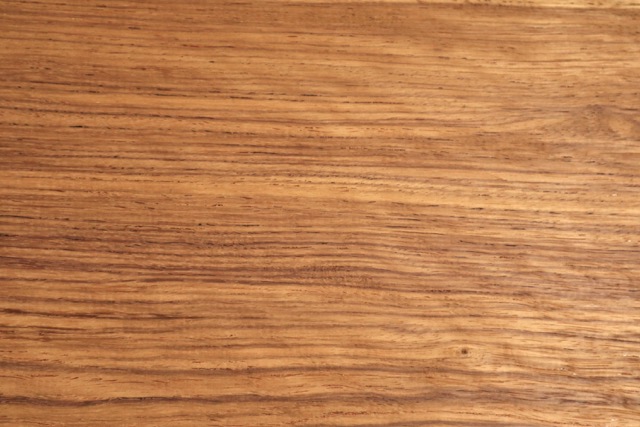
Ababa (Anthonota fragrans) is a lesser-known West African hardwood with warm, earthy tones. It's durable, naturally resistant to decay and insects, and an affordable alternative to more familiar tropical species.The heartwood carries a mix of warm browns, and the grain is interlocked with a medium to coarse texture, which gives finished pieces plenty of character. It's strong without being difficult, machining well and taking a finish beautifully. As with any interlocked wood, a sharp blade and a light final pass help keep tear-out to a minimum.Ababa suits furniture, cabinetry, boxes and interior joinery, and its natural durability makes it worth considering for some outdoor projects too. If you like the striped look of Zebrawood but want something more cost-effective, it's well worth a look.
boxmaking, cabinetry, fine furniture, furniture
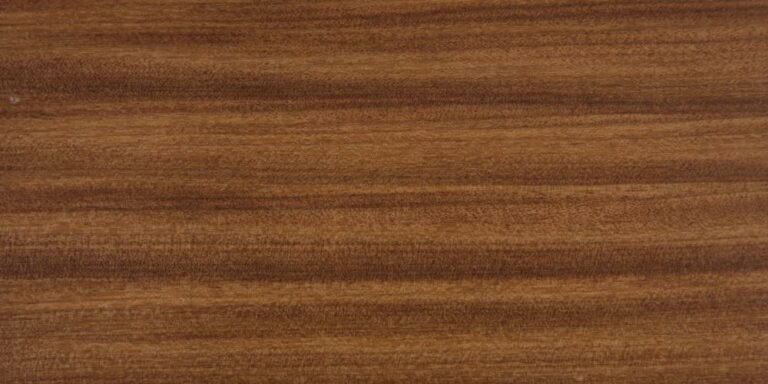
Afrormosia (Pericopsis elata) is a West African hardwood often called African Teak. It earned the name honestly: it's extremely durable and resistant to rot and insects, with working and mechanical properties close to Teak, but without the oiliness.The heartwood ranges from muted tan and gold to light and medium browns, often with darker stripes, and over time it darkens to a look closer to Black Walnut than Teak. The grain is straight to wavy, sometimes interlocked, and the texture fine, with a lovely natural luster once sanded.Although it's harder than Teak, it works well with hand and machine tools, gives crisp joints, and turns, glues and finishes very well. It's tough yet flexible, which is why it has been used in African boatbuilding for centuries.Afrormosia is a long-standing favorite in Europe for cabinetry, architectural trim and fine furniture, and it's also used for flooring, turnings and veneer.
boatbuilding, cabinetry, flooring, furniture, turnings, veneer
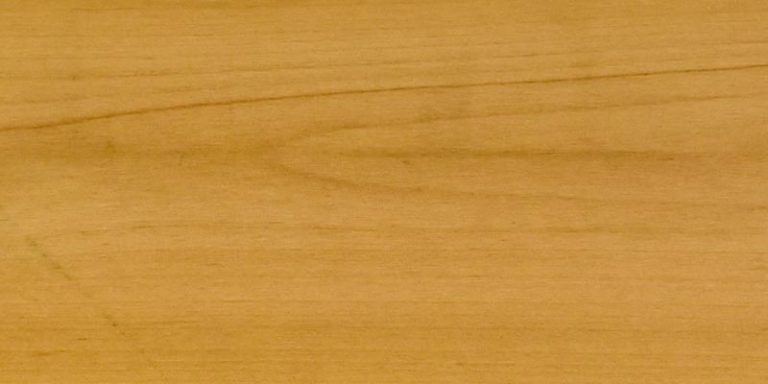
Red Alder (Alnus rubra) is the most abundant hardwood in the US Pacific Northwest, where it has long been used for furniture and cabinetry. It's also been a popular electric guitar body wood since the instrument first went into mass production in the 1950s.The color ranges from light tan to reddish-brown. It's light and soft for a hardwood, which makes it very easy to work, and it glues and finishes well. Many cabinetmakers compare its easy-going nature to Black Cherry.Alder is usually sold in two grades, knotty and clear, with clear preferred for furniture and cabinets. The surface dents easily until it's finished, so a hard finish such as lacquer is a good idea. It isn't durable outdoors, so it's best kept to indoor projects such as cabinetry, millwork and instruments.
cabinetry, lutherie, millwork, musical Instruments
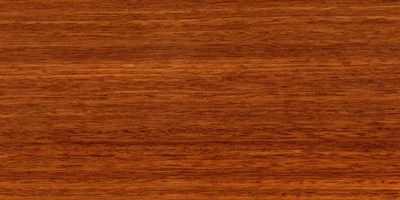
Andiroba (Carapa guianensis), also called Crabwood, grows across Central and South America, where it's used as a mahogany substitute and a general carpentry wood. It's a member of the mahogany family and is durable in use.The wood is a pale reddish-brown that darkens slightly as it dries and continues to deepen with exposure to light. The grain is usually straight, though it can be wavy or interlocked, and the texture is fine with a good natural luster. Most boards are on the plain side, but quartersawn pieces can show a ribbon figure much like Sapele.It's generally easy to work and turns, glues and finishes well. Andiroba isn't often seen in the US, but it's a good choice for furniture, cabinetry, flooring, turnings and veneer, and it has a history in boatbuilding.
boatbuilding, cabinetry, flooring, furniture, turnings, veneer
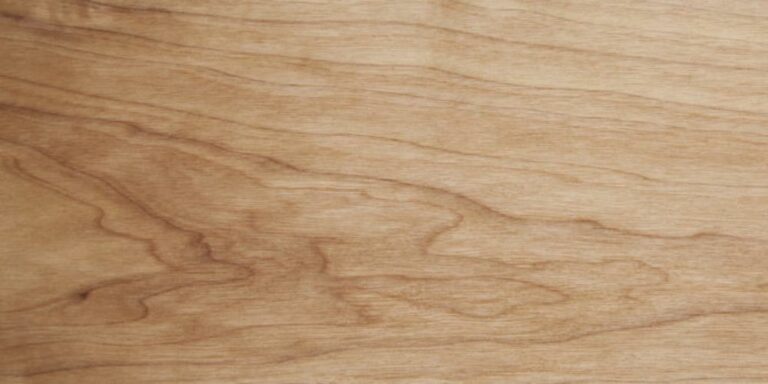
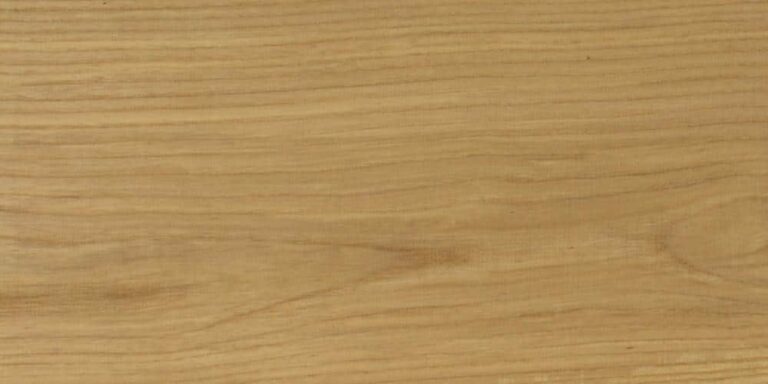
White Ash (Fraxinus americana) is native to eastern and central North America and, along with Oak and Hickory, is one of the most widely used utility hardwoods in the US. It's the tallest-growing of the North American ashes and the one you'll see most often.The color ranges from light beige to light brown, with medium to dark brown grain lines. The grain is usually straight and the texture coarse, often compared to Oak. It's modestly priced, works easily, and glues and finishes well.Ash is tough and shock-resistant, which is why it's the classic wood for tool handles and baseball bats. It's also used for furniture, flooring, boxes and turnings, and occasionally for electric guitar bodies, where it has good resonance. If you're after a lighter ash for guitars, take a look at Swamp Ash.
boxmaking, flooring, turnings
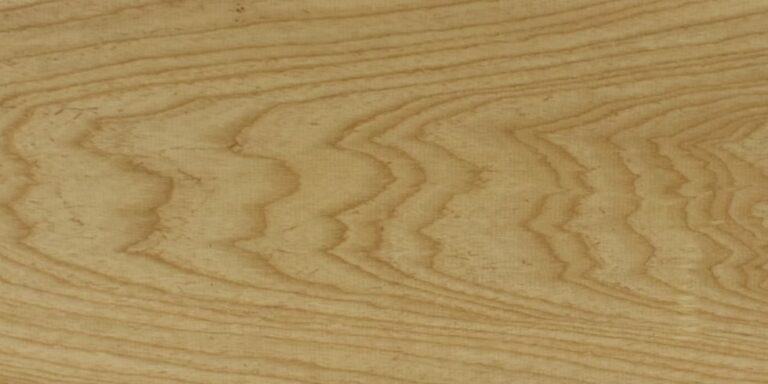
Swamp Ash isn't a single species. It's the name for ash (Fraxinus) from trees growing with their roots in or near water, which produces the lightest, softest ash available.The wood is pale with an open grain. It's light and resonant yet stable, easy to work by hand or machine, and it steam-bends, sands, glues and stains well. Because ash gets denser further up the tree, the most sought-after boards come from the midsection down to the trunk.Swamp Ash is best known as an electric guitar body wood. Players and builders value its crisp highs, tight lows and scooped mids, and steady worldwide demand makes it the most expensive of the ashes.It's also used for boxes, turnings and flooring. For a harder, more general-purpose ash, see White Ash.
boxmaking, flooring, musical Instruments, turnings
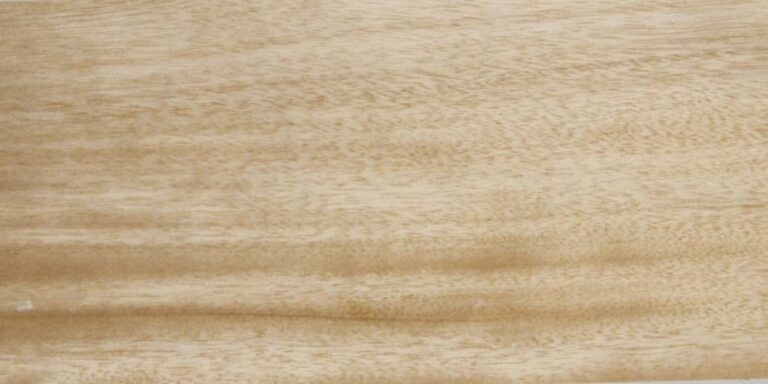
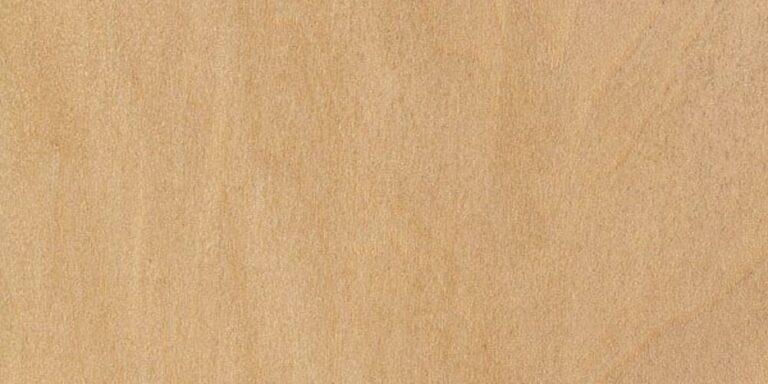
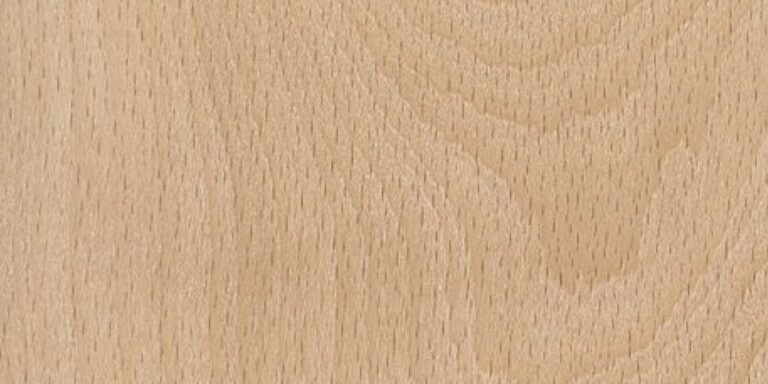
American Beech (Fagus grandifolia) is a common, reasonably priced hardwood with a pale cream color, often tinted pink or light reddish-brown.The grain is usually straight, sometimes wavy, and the texture medium. It cuts, turns, glues and finishes very well, with a moderate natural luster, and it steam-bends nicely. It's similar to Maple in hardness and density, so it's sometimes used in its place. It can move with changes in humidity, and it isn't durable outdoors.Flat-sawn boards are fairly plain and mostly go to utility work, while quartersawn pieces show an attractive silvery fleck that suits furniture and instruments. Steamed beech veneer takes on a pleasant golden brown.Beech is used for furniture, flooring, turnings and specialty items. See also European Beech.
flooring, furniture, specialty items, turnings, veneer
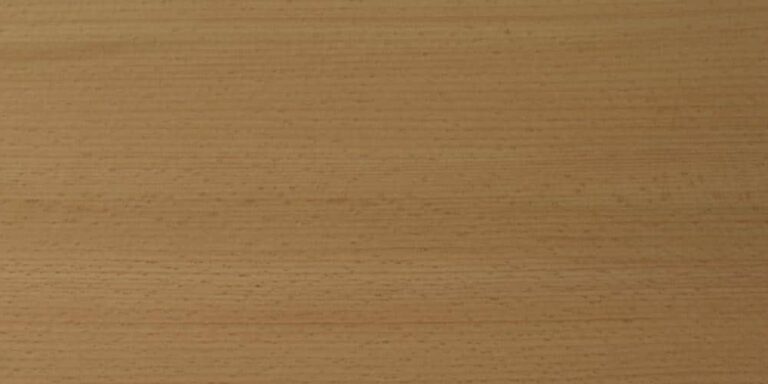
European Beech (Fagus sylvatica) is one of the most popular and commercially important hardwoods in Europe, thanks to its large supply and modest price. It's slightly harder than its American cousin.The wood is pale cream, often with a pink or light reddish-brown tint. The grain is straight and the texture medium, and it machines, turns, glues and finishes easily. Large trees yield long, wide boards.It's strong, tough and steam-bends very well, which is why it has been used in European boatbuilding for centuries. Like all beech it isn't durable outdoors and can move in service, so well-dried, quartersawn stock is the best choice where stability matters.European Beech is used for furniture, cabinetry, flooring, turnings, instruments and veneer. See also American Beech.
boatbuilding, cabinetry, flooring, furniture, musical Instruments, turnings, veneer
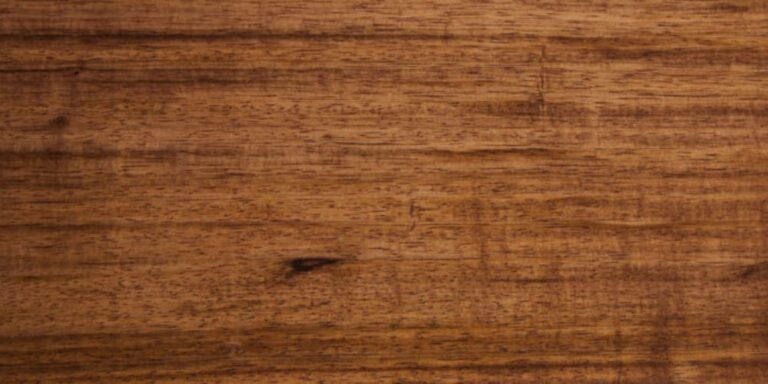
Berlinia (Berlinia spp.) is a West African hardwood sold in the US as Ebiara or Red Zebrawood. It's a fairly new arrival on the US market, and a moderately priced one.The heartwood ranges from pale yellow to, more typically, a muted reddish-brown, with darker stripes that can be regular or irregular. That's where the comparison with Zebrawood comes from, and the two are in fact related.The grain is straight or interlocked and the texture medium to coarse, with good natural luster and occasional figure and chatoyance. It cuts, turns, glues and finishes smoothly, though interlocked boards can tear out, so take light final passes.Berlinia suits furniture, cabinetry, turnings, veneer and specialty items, and luthiers and turners are starting to take an interest in it.
cabinetry, furniture, specialty items, turnings, veneer
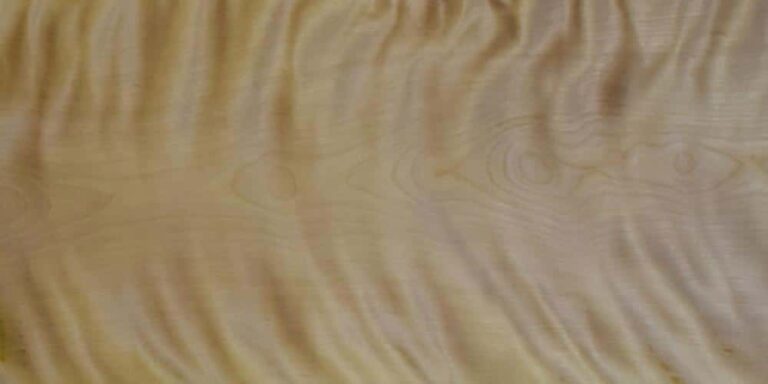
Flame Birch isn't a separate species. It's Yellow Birch (Betula alleghaniensis) with a bold, wavy flamed figure running across the grain.The heartwood ranges from pale yellow to a light reddish-brown, with grayish-white sapwood. The best boards show wide, dramatic curl, similar to figured Cherry, that shimmers under a clear finish.It works easily and turns, glues and finishes well, though most boards have little natural luster until finished. It isn't durable outdoors, so keep it protected.Flame Birch is a favorite for boxes, turnings, crafts and specialty pieces where the figure can take center stage, and the best logs go to veneer. For a darker, more stable version, see Roasted Flame Birch.
boxmaking, crafting, specialty items, turnings, veneer
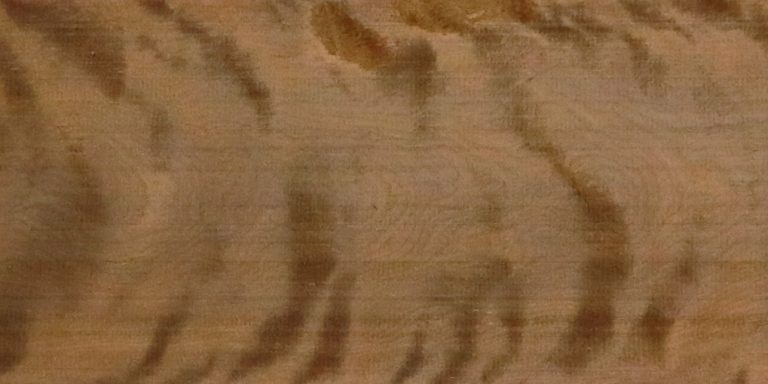
Roasted Flame Birch is flamed Yellow Birch (Betula alleghaniensis) that has been thermally modified. The wood is heated gradually to over 160°C in oxygen-free chambers, a natural, chemical-free process that changes the wood's structure and darkens it to a rich chocolate brown while keeping the flamed figure.Roasting makes the wood more dimensionally stable, but also a little more brittle, so it chips more easily than unmodified birch. That makes it a better fit for floors, tabletops, panels and cladding than for intricate joinery.Thermally modified wood is very dry and soaks up finish, so plan on a generous coat. Our in-house woodworker has had excellent results with Osmo Polyx-Oil.It's also available in wholesale quantities. See also unroasted Flame Birch.
flooring, interior panelling
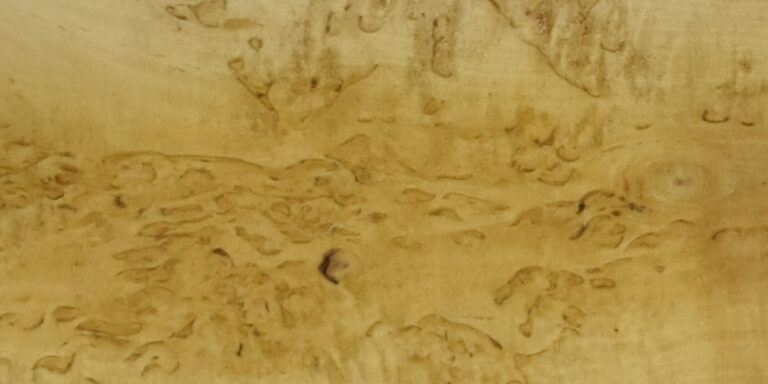
Masur Birch, also called Karelian Birch, isn't a species in its own right. It's a rare figure found in some European birch (Betula pendula) that produces a marbled look somewhere between burl and birdseye.The cause of the figure isn't fully settled. Some point to insect larvae damaging the growing tree, while others believe it's hereditary, and the variety is often named Betula pendula var. carelica. Whatever the cause, the result is striking lumber, and no two pieces are alike.The wood is light brown and works much like other birch, finishing to a smooth surface that shows off the figure.Masur Birch is mostly used for accents, turnings, knife handles and other small specialty pieces. Veneer is rotary-cut, like Birdseye Maple, to show the figure at its best.
fine furniture, knife handles, specialty items, turnings, veneer
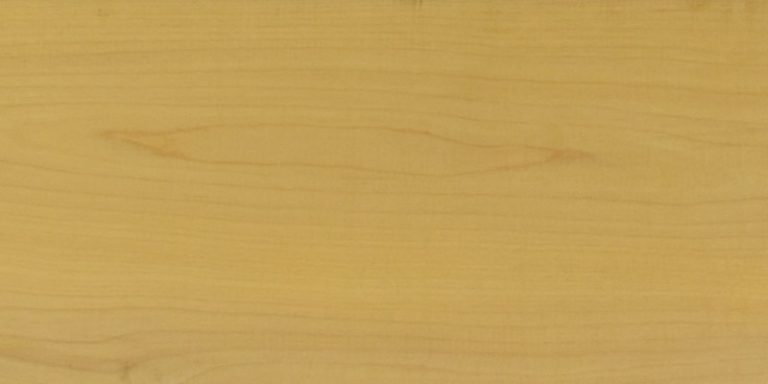
Yellow Birch (Betula alleghaniensis) is one of the most useful North American hardwoods, and ours is sourced locally in Maine. It's a well-priced alternative to Maple.The heartwood ranges from pale yellow to a light reddish-brown, with grayish-white sapwood. The grain is generally straight and the texture fine and even. Figured boards with wide curl, similar to Cherry, are especially prized and sold as Flame Birch.It works easily, and it turns, glues and finishes well, though most boards have little natural luster until finished. It's strong and hard-wearing, but it isn't durable outdoors, so keep it protected.Yellow Birch is used for cabinetry, furniture, flooring, boxes and crafts, and it's one of the most popular woods for veneer and plywood.
boxmaking, cabinetry, crafting, flooring, furniture
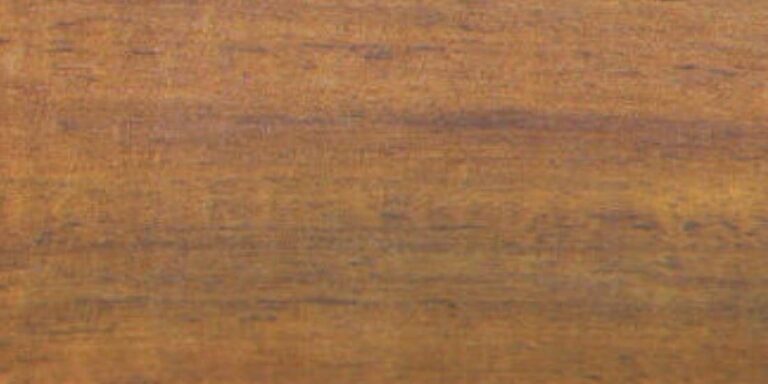
Australian Blackwood (Acacia melanoxylon), also called Acacia Blackwood, is a close cousin of Hawaiian Koa, and it's growing in popularity with guitar makers and furniture builders. Despite the name, it isn't black.The tree is native to Australia, but our stock is grown in South Africa, where it was introduced in the 1800s and is now grown commercially. That shorter, more direct supply line makes it a far more cost-effective choice than imported Australian or Hawaiian woods, with the same good looks.The heartwood ranges from light golden brown to darker browns, often with streaks of other colors, and it's clearly set apart from the tan to light grey sapwood. The grain runs from straight to wavy or interlocked, with a fine texture and an impressive luster. Figured boards with Koa-like shimmer turn up only occasionally, so they're worth snapping up when they do. Apart from occasional tear-out, it works easily, and it turns, glues and finishes well.Tough, durable and good for bending, it's used for guitar backs and sides, furniture, cabinetry, boatbuilding, gun stocks and turnings.
boatbuilding, cabinetry, furniture, gun stocks, specialty items, turnings, veneer
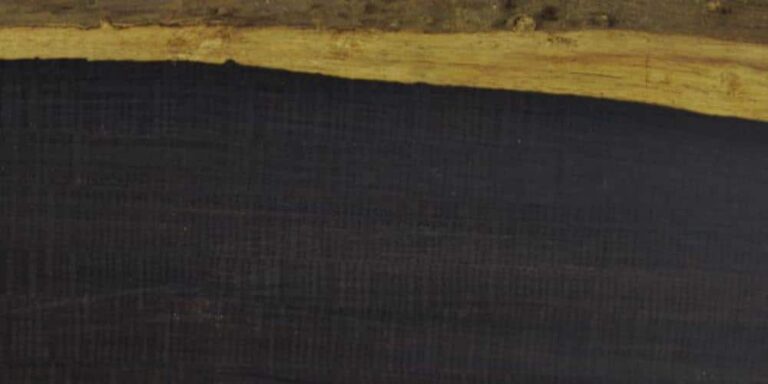
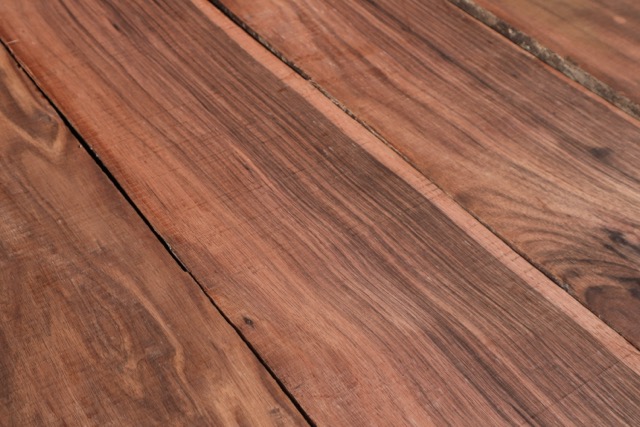
Malaysian Blackwood (Diospyros ebonasea), also called Malaysian Ebony, is a true ebony from Southeast Asia.It's prized for its dense, dark heartwood, which ranges from deep brown to black. Many boards show striking spiderweb-like patterns, so each piece is unique.Like other ebonies it's hard and dense, so use sharp tools and take your time. The reward is a smooth surface that polishes to a fine, lustrous finish and holds crisp detail.Malaysian Blackwood is used for musical instruments, fine furniture, boxes, turnings and other luxury pieces where its color and figure can stand out. If you like its look, take a look at Ziricote and Amara Ebony too.
boxmaking, cabinetry, crafting, fine furniture, lutherie, musical Instruments, specialty items, turnings
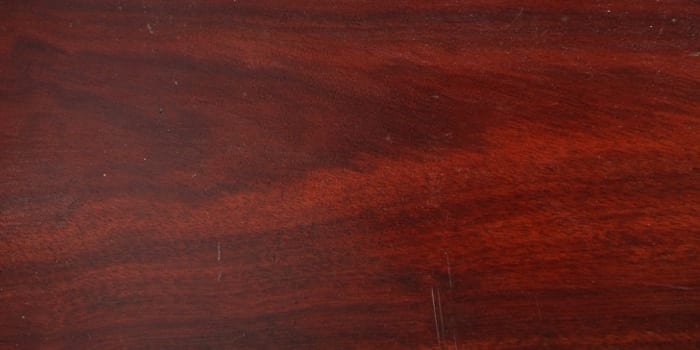
Bloodwood (Brosimum rubescens), also known as Satine, is a South American hardwood that keeps growing in popularity in the US. Its deep red color is the big draw, and unlike many red woods, it doesn't fade or darken as much over time.The heartwood is mostly red, sometimes with patches of orange or pale yellow, and it has a satiny, highly chatoyant finish. It's hard and dense, so sharp tools help, but the results are worth it.Its density makes it ideal for electric guitar fretboards and acoustic backs and sides, and turners love its looks.Bloodwood is also popular for knife and gun handles, inlay and trim. It offers striking color at a very reasonable price for an imported exotic, though exceptional boards command a premium. Its close relative, Snakewood, is in the same genus.
carving, furniture, inlay, knife handles, lutherie, trim, turnings
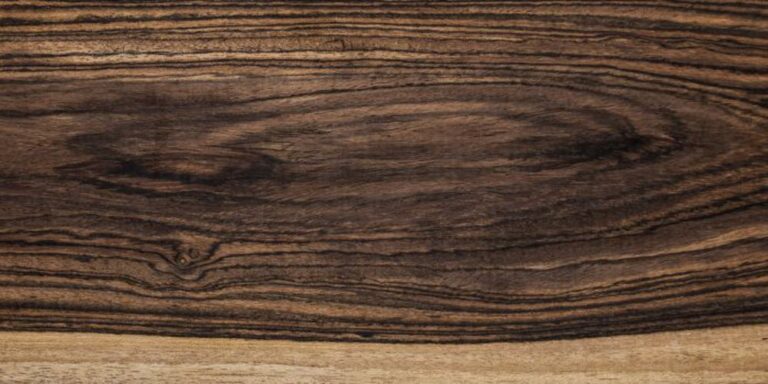
Bocote (Cordia spp.) is a Mexican and Central American hardwood with a golden brown base and dark brown to black stripes.Its best boards are covered in tiny “eyes” in the grain. These aren't knots and cause no trouble when machining. In pieces grown south of Mexico, the base color can be a bright, muted orange.Despite its oily nature, Bocote glues surprisingly well, and it turns and finishes nicely. Some boards contain silica, which can dull blades, so keep a spare sharp edge handy.Its striking looks make it a favorite with furniture and cabinet makers, guitar builders and turners, and it's also used for gun stocks, flooring and veneer. It's related to Ziricote and Louro Preto.
boatbuilding, cabinetry, fine furniture, flooring, gun stocks, specialty items, turnings, veneer
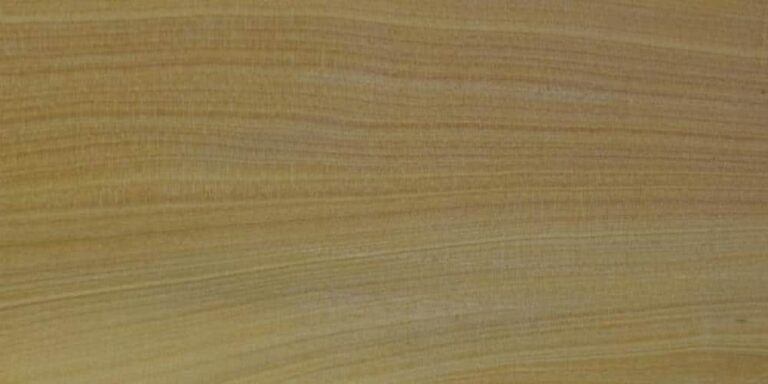
Boxwood (Buxus macowanii), also known as Cape Boxwood or East London Boxwood, is native to the Eastern Cape of South Africa. It's a close cousin of the original European boxwood (Buxus sempervirens) and shares its most prized quality: a dense, ultra-fine texture that holds the crispest detail.The wood is a pale, creamy yellow with almost no visible grain, so nothing competes with the carving or turning itself. It cuts cleanly with sharp tools, turns superbly and finishes to a smooth, silky sheen without much more than fine sanding and a light oil or wax.The trees are small, rarely more than 20 feet tall with trunks of about 6 inches, and the dense wood is prone to cracking as it dries. That limits supply to small, craft-sized pieces. Ours comes from South Africa and has been slowly air-dried over many years for stability. Be wary of other pale, dense woods sold as boxwood.Boxwood has long been the wood of choice for fine carving, engraving blocks, chess pieces, rulers and instrument parts, and it's a favorite with turners for small, detailed work. For a more affordable alternative, see Castello Boxwood.
carving, chess pieces, handles, musical Instruments, specialty items, turnings