
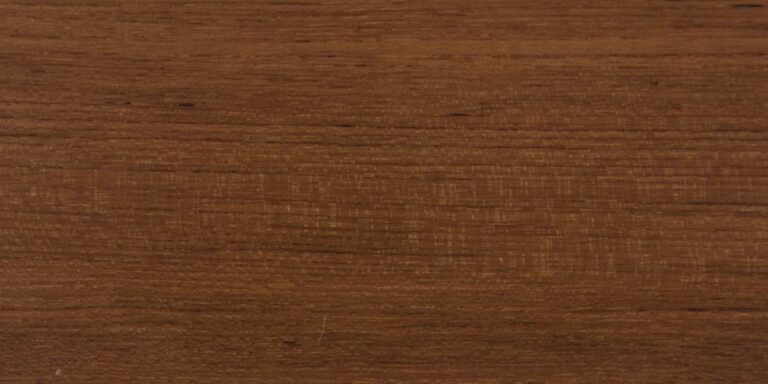
boatbuilding, carving, construction, flooring, furniture, turnings, veneer
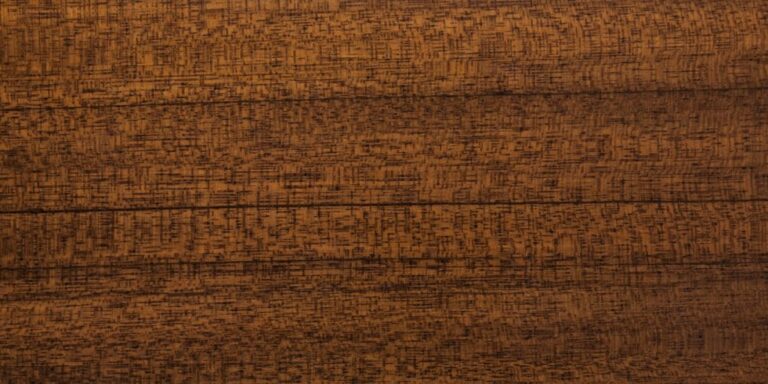
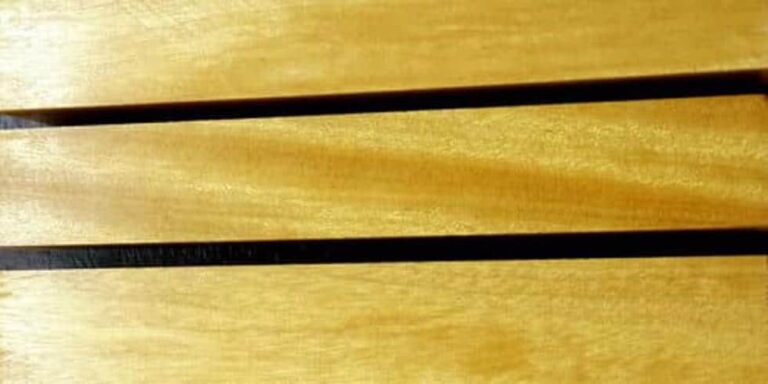
boatbuilding, cabinetry, carving, flooring, furniture, handles, inlay, musical Instruments, trim, turnings, veneer


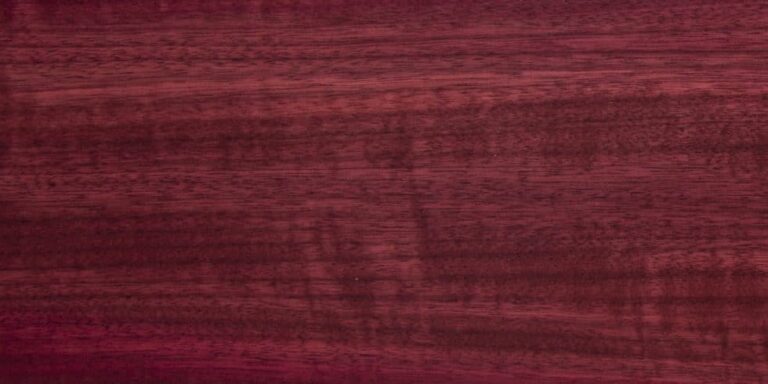
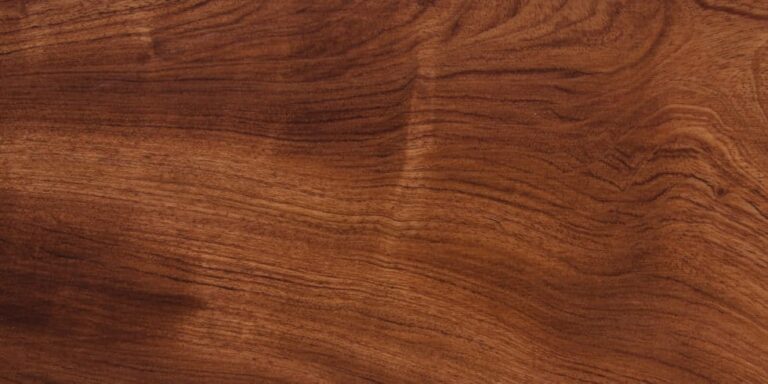
boatbuilding, decking, flooring, furniture, millwork, specialty items, turnings, veneer
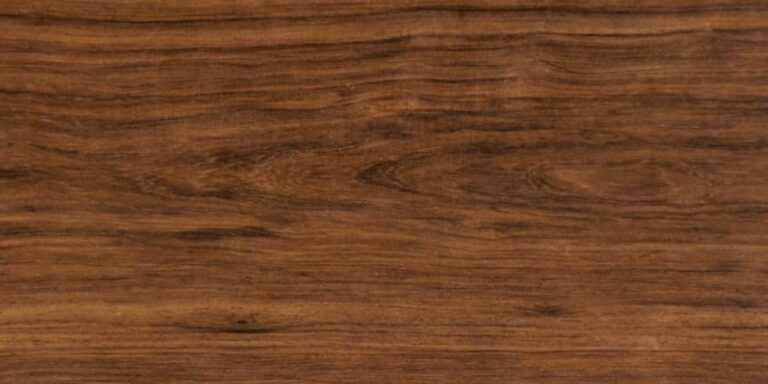
boatbuilding, cabinetry, carving, flooring, furniture, inlay, specialty items, trim, turnings, veneer
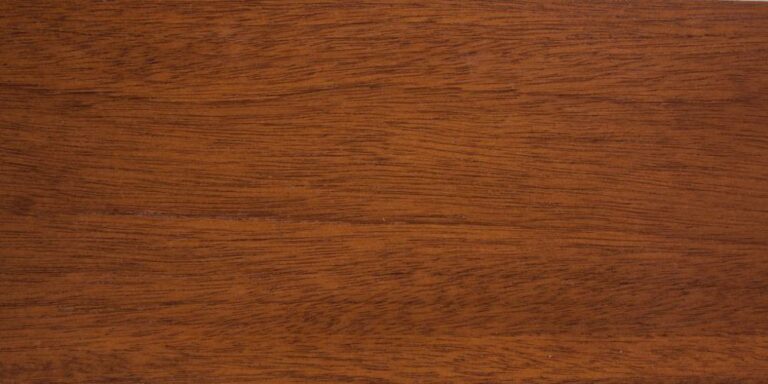

boatbuilding, cabinetry, flooring, furniture, specialty items, turnings, utility lumber, veneer

boatbuilding, cabinetry, flooring, furniture, specialty items, turnings, utility lumber, veneer

boatbuilding, cabinetry, flooring, furniture, gun stocks, turnings, veneer

boatbuilding, cabinetry, construction, flooring, furniture, specialty items, turnings, utility lumber, veneer

boatbuilding, cabinetry, flooring, furniture, handles, specialty items, turnings


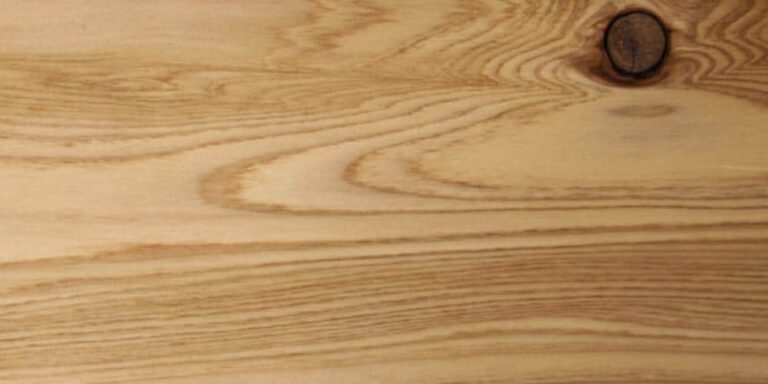
Japanese Cedar (Cryptomeria japonica), known in Japan as Sugi, is the country's national tree. It's planted at temples and sacred sites across Japan, and some ancient trees are famous landmarks in their own right. It's prized for its scented, strong but lightweight timber, and it's been planted well beyond Japan, including in South Africa.The wood is reddish-pink to light brown, straight-grained and medium-textured, often with a pleasant, clean fragrance. It's strong for its weight and resists water well, which is why it has been used in Japanese boat and ship building for centuries.Knots are fairly common, as you'd expect from a cedar, but otherwise it works very easily with hand and power tools, and it glues, stains and finishes well. It's soft, so it dents more easily than hardwoods.Japanese Cedar is used for construction, interior paneling, furniture, boatbuilding, carving and turnings, and it's a traditional choice for Japanese architecture and woodwork. Our Japanese Cedar was grown in South Africa, where the species was introduced and does well. If you like light, fragrant softwoods, see also Western Red Cedar.
boatbuilding, carving, construction, furniture, turnings

Spanish Cedar (Cedrela odorata) isn't a true cedar at all. It belongs to the mahogany family, and it shares many of that family's best qualities: it's light, pleasantly aromatic and one of the easiest hardwoods to work.The heartwood ranges from a soft pinkish-brown to reddish-brown and darkens nicely with age. The grain is straight and the texture fine, so it planes, carves and sands cleanly, and it glues and finishes well. Most Spanish Cedar on the US market is plantation-grown, which is usually a little lighter in weight and color than forest-grown wood.It's best known for cigar boxes and humidors, where its scent suits tobacco and it stays stable as humidity changes. Light, stable and easy to carve, it's also the traditional wood for classical and flamenco guitar necks, and it's used in boatbuilding, cabinetry and veneer. Related woods in the mahogany family include Genuine Mahogany, Sapele and Sipo.
boatbuilding, cabinetry, humidors, musical Instruments, veneer
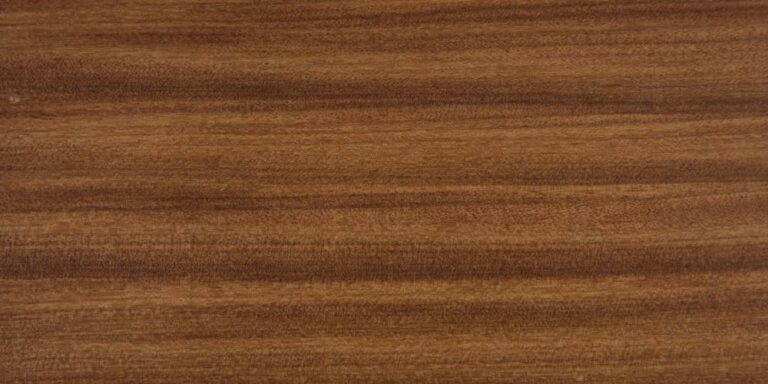
Afrormosia (Pericopsis elata) is a West African hardwood often called African Teak. It earned the name honestly: it's extremely durable and resistant to rot and insects, with working and mechanical properties close to Teak, but without the oiliness.The heartwood ranges from muted tan and gold to light and medium browns, often with darker stripes, and over time it darkens to a look closer to Black Walnut than Teak. The grain is straight to wavy, sometimes interlocked, and the texture fine, with a lovely natural luster once sanded.Although it's harder than Teak, it works well with hand and machine tools, gives crisp joints, and turns, glues and finishes very well. It's tough yet flexible, which is why it has been used in African boatbuilding for centuries.Afrormosia is a long-standing favorite in Europe for cabinetry, architectural trim and fine furniture, and it's also used for flooring, turnings and veneer.
boatbuilding, cabinetry, flooring, furniture, turnings, veneer
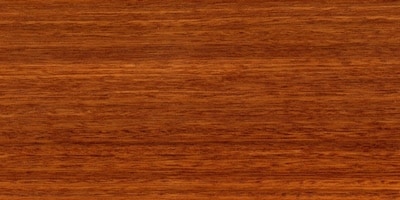
Andiroba (Carapa guianensis), also called Crabwood, grows across Central and South America, where it's used as a mahogany substitute and a general carpentry wood. It's a member of the mahogany family and is durable in use.The wood is a pale reddish-brown that darkens slightly as it dries and continues to deepen with exposure to light. The grain is usually straight, though it can be wavy or interlocked, and the texture is fine with a good natural luster. Most boards are on the plain side, but quartersawn pieces can show a ribbon figure much like Sapele.It's generally easy to work and turns, glues and finishes well. Andiroba isn't often seen in the US, but it's a good choice for furniture, cabinetry, flooring, turnings and veneer, and it has a history in boatbuilding.
boatbuilding, cabinetry, flooring, furniture, turnings, veneer
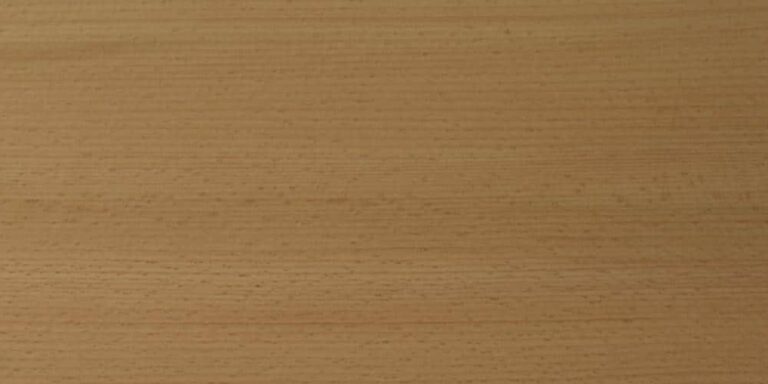
European Beech (Fagus sylvatica) is one of the most popular and commercially important hardwoods in Europe, thanks to its large supply and modest price. It's slightly harder than its American cousin.The wood is pale cream, often with a pink or light reddish-brown tint. The grain is straight and the texture medium, and it machines, turns, glues and finishes easily. Large trees yield long, wide boards.It's strong, tough and steam-bends very well, which is why it has been used in European boatbuilding for centuries. Like all beech it isn't durable outdoors and can move in service, so well-dried, quartersawn stock is the best choice where stability matters.European Beech is used for furniture, cabinetry, flooring, turnings, instruments and veneer. See also American Beech.
boatbuilding, cabinetry, flooring, furniture, musical Instruments, turnings, veneer
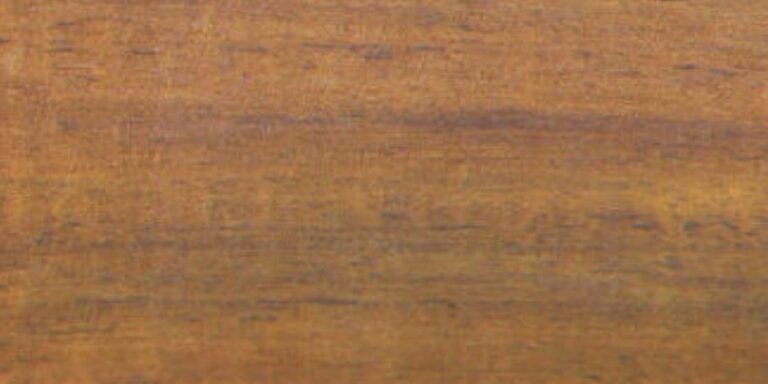
Australian Blackwood (Acacia melanoxylon), also called Acacia Blackwood, is a close cousin of Hawaiian Koa, and it's growing in popularity with guitar makers and furniture builders. Despite the name, it isn't black.The tree is native to Australia, but our stock is grown in South Africa, where it was introduced in the 1800s and is now grown commercially. That shorter, more direct supply line makes it a far more cost-effective choice than imported Australian or Hawaiian woods, with the same good looks.The heartwood ranges from light golden brown to darker browns, often with streaks of other colors, and it's clearly set apart from the tan to light grey sapwood. The grain runs from straight to wavy or interlocked, with a fine texture and an impressive luster. Figured boards with Koa-like shimmer turn up only occasionally, so they're worth snapping up when they do. Apart from occasional tear-out, it works easily, and it turns, glues and finishes well.Tough, durable and good for bending, it's used for guitar backs and sides, furniture, cabinetry, boatbuilding, gun stocks and turnings.
boatbuilding, cabinetry, furniture, gun stocks, specialty items, turnings, veneer
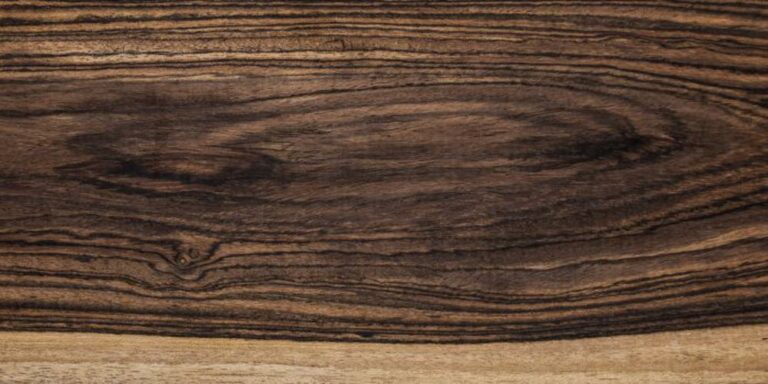
Bocote (Cordia spp.) is a Mexican and Central American hardwood with a golden brown base and dark brown to black stripes.Its best boards are covered in tiny “eyes” in the grain. These aren't knots and cause no trouble when machining. In pieces grown south of Mexico, the base color can be a bright, muted orange.Despite its oily nature, Bocote glues surprisingly well, and it turns and finishes nicely. Some boards contain silica, which can dull blades, so keep a spare sharp edge handy.Its striking looks make it a favorite with furniture and cabinet makers, guitar builders and turners, and it's also used for gun stocks, flooring and veneer. It's related to Ziricote and Louro Preto.
boatbuilding, cabinetry, fine furniture, flooring, gun stocks, specialty items, turnings, veneer