
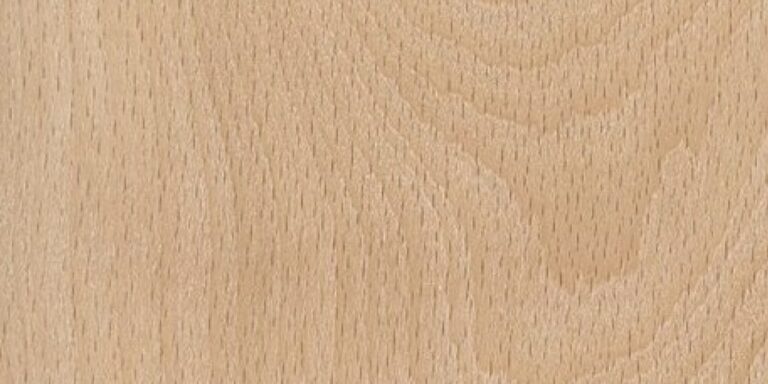
American Beech (Fagus grandifolia) is a common, reasonably priced hardwood with a pale cream color, often tinted pink or light reddish-brown.The grain is usually straight, sometimes wavy, and the texture medium. It cuts, turns, glues and finishes very well, with a moderate natural luster, and it steam-bends nicely. It's similar to Maple in hardness and density, so it's sometimes used in its place. It can move with changes in humidity, and it isn't durable outdoors.Flat-sawn boards are fairly plain and mostly go to utility work, while quartersawn pieces show an attractive silvery fleck that suits furniture and instruments. Steamed beech veneer takes on a pleasant golden brown.Beech is used for furniture, flooring, turnings and specialty items. See also European Beech.
flooring, furniture, specialty items, turnings, veneer
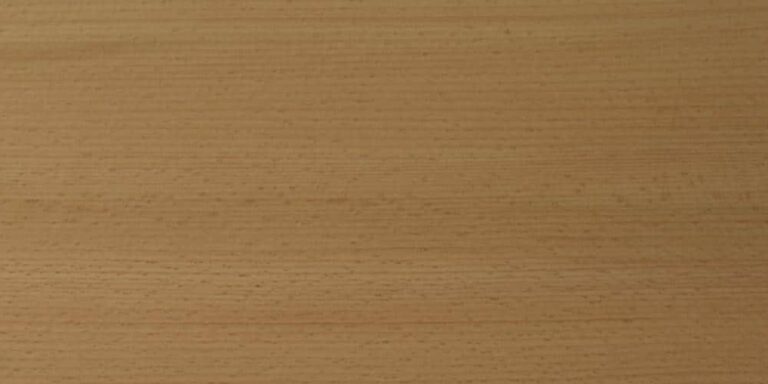
European Beech (Fagus sylvatica) is one of the most popular and commercially important hardwoods in Europe, thanks to its large supply and modest price. It's slightly harder than its American cousin.The wood is pale cream, often with a pink or light reddish-brown tint. The grain is straight and the texture medium, and it machines, turns, glues and finishes easily. Large trees yield long, wide boards.It's strong, tough and steam-bends very well, which is why it has been used in European boatbuilding for centuries. Like all beech it isn't durable outdoors and can move in service, so well-dried, quartersawn stock is the best choice where stability matters.European Beech is used for furniture, cabinetry, flooring, turnings, instruments and veneer. See also American Beech.
boatbuilding, cabinetry, flooring, furniture, musical Instruments, turnings, veneer
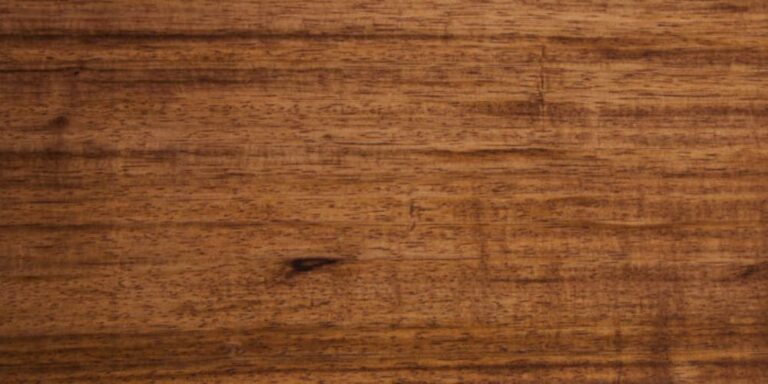
Berlinia (Berlinia spp.) is a West African hardwood sold in the US as Ebiara or Red Zebrawood. It's a fairly new arrival on the US market, and a moderately priced one.The heartwood ranges from pale yellow to, more typically, a muted reddish-brown, with darker stripes that can be regular or irregular. That's where the comparison with Zebrawood comes from, and the two are in fact related.The grain is straight or interlocked and the texture medium to coarse, with good natural luster and occasional figure and chatoyance. It cuts, turns, glues and finishes smoothly, though interlocked boards can tear out, so take light final passes.Berlinia suits furniture, cabinetry, turnings, veneer and specialty items, and luthiers and turners are starting to take an interest in it.
cabinetry, furniture, specialty items, turnings, veneer
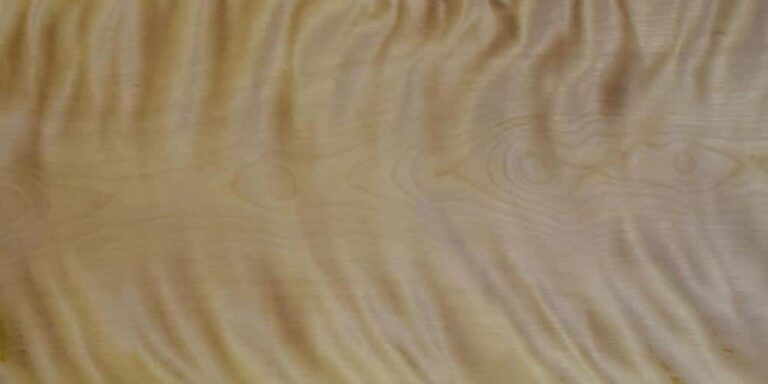
Flame Birch isn't a separate species. It's Yellow Birch (Betula alleghaniensis) with a bold, wavy flamed figure running across the grain.The heartwood ranges from pale yellow to a light reddish-brown, with grayish-white sapwood. The best boards show wide, dramatic curl, similar to figured Cherry, that shimmers under a clear finish.It works easily and turns, glues and finishes well, though most boards have little natural luster until finished. It isn't durable outdoors, so keep it protected.Flame Birch is a favorite for boxes, turnings, crafts and specialty pieces where the figure can take center stage, and the best logs go to veneer. For a darker, more stable version, see Roasted Flame Birch.
boxmaking, crafting, specialty items, turnings, veneer
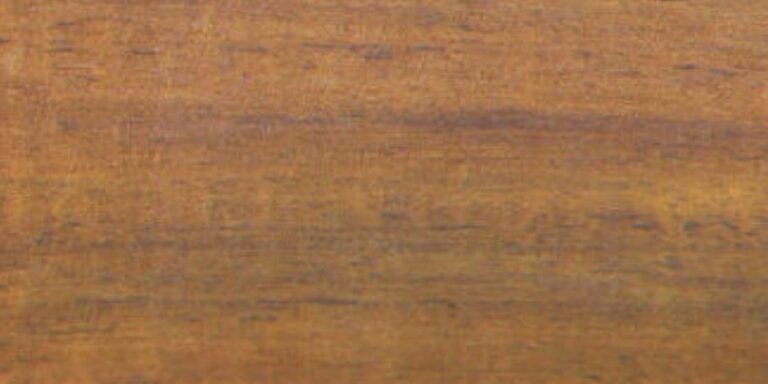
Australian Blackwood (Acacia melanoxylon), also called Acacia Blackwood, is a close cousin of Hawaiian Koa, and it's growing in popularity with guitar makers and furniture builders. Despite the name, it isn't black.The tree is native to Australia, but our stock is grown in South Africa, where it was introduced in the 1800s and is now grown commercially. That shorter, more direct supply line makes it a far more cost-effective choice than imported Australian or Hawaiian woods, with the same good looks.The heartwood ranges from light golden brown to darker browns, often with streaks of other colors, and it's clearly set apart from the tan to light grey sapwood. The grain runs from straight to wavy or interlocked, with a fine texture and an impressive luster. Figured boards with Koa-like shimmer turn up only occasionally, so they're worth snapping up when they do. Apart from occasional tear-out, it works easily, and it turns, glues and finishes well.Tough, durable and good for bending, it's used for guitar backs and sides, furniture, cabinetry, boatbuilding, gun stocks and turnings.
boatbuilding, cabinetry, furniture, gun stocks, specialty items, turnings, veneer
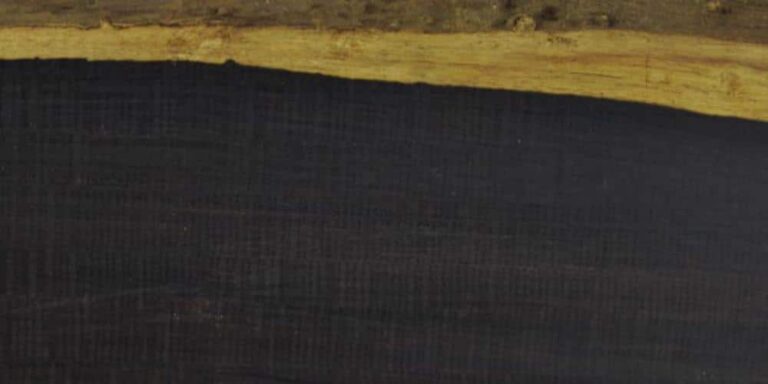
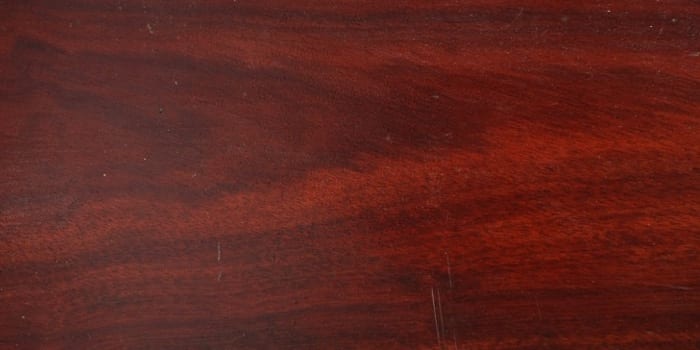
Bloodwood (Brosimum rubescens), also known as Satine, is a South American hardwood that keeps growing in popularity in the US. Its deep red color is the big draw, and unlike many red woods, it doesn't fade or darken as much over time.The heartwood is mostly red, sometimes with patches of orange or pale yellow, and it has a satiny, highly chatoyant finish. It's hard and dense, so sharp tools help, but the results are worth it.Its density makes it ideal for electric guitar fretboards and acoustic backs and sides, and turners love its looks.Bloodwood is also popular for knife and gun handles, inlay and trim. It offers striking color at a very reasonable price for an imported exotic, though exceptional boards command a premium. Its close relative, Snakewood, is in the same genus.
carving, furniture, inlay, knife handles, lutherie, trim, turnings
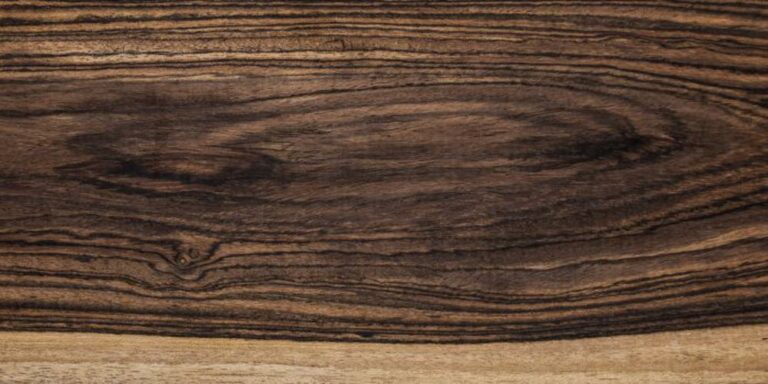
Bocote (Cordia spp.) is a Mexican and Central American hardwood with a golden brown base and dark brown to black stripes.Its best boards are covered in tiny “eyes” in the grain. These aren't knots and cause no trouble when machining. In pieces grown south of Mexico, the base color can be a bright, muted orange.Despite its oily nature, Bocote glues surprisingly well, and it turns and finishes nicely. Some boards contain silica, which can dull blades, so keep a spare sharp edge handy.Its striking looks make it a favorite with furniture and cabinet makers, guitar builders and turners, and it's also used for gun stocks, flooring and veneer. It's related to Ziricote and Louro Preto.
boatbuilding, cabinetry, fine furniture, flooring, gun stocks, specialty items, turnings, veneer
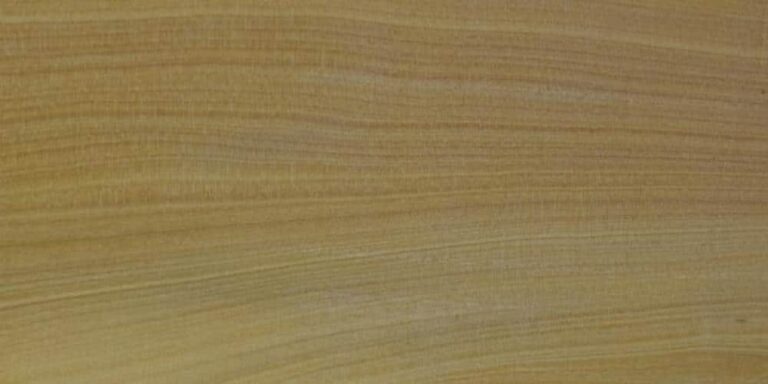
Boxwood (Buxus macowanii), also known as Cape Boxwood or East London Boxwood, is native to the Eastern Cape of South Africa. It's a close cousin of the original European boxwood (Buxus sempervirens) and shares its most prized quality: a dense, ultra-fine texture that holds the crispest detail.The wood is a pale, creamy yellow with almost no visible grain, so nothing competes with the carving or turning itself. It cuts cleanly with sharp tools, turns superbly and finishes to a smooth, silky sheen without much more than fine sanding and a light oil or wax.The trees are small, rarely more than 20 feet tall with trunks of about 6 inches, and the dense wood is prone to cracking as it dries. That limits supply to small, craft-sized pieces. Ours comes from South Africa and has been slowly air-dried over many years for stability. Be wary of other pale, dense woods sold as boxwood.Boxwood has long been the wood of choice for fine carving, engraving blocks, chess pieces, rulers and instrument parts, and it's a favorite with turners for small, detailed work. For a more affordable alternative, see Castello Boxwood.
carving, chess pieces, handles, musical Instruments, specialty items, turnings