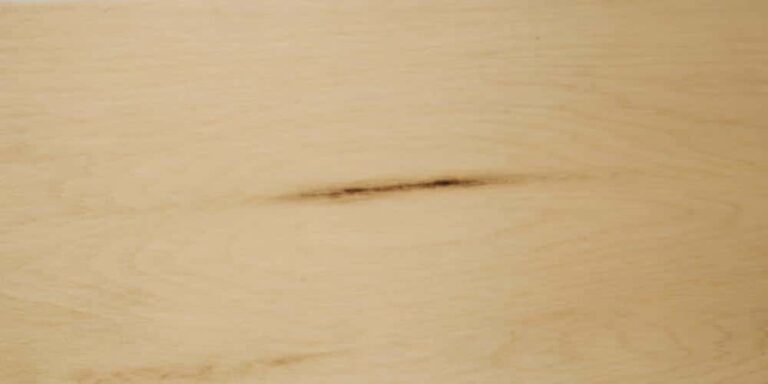
English Walnut (Juglans regia), also called European or Persian Walnut, is one of the world's classic furniture woods. Despite the name, it's native to parts of Europe and Central Asia, and it's the same tree that produces the common walnuts sold in stores.The heartwood ranges from warm honey brown to rich chocolate, often with subtle grey, olive or purple undertones. The grain is typically straight, but curly, crotch and burl figure can be spectacular, and burl veneer from this species has graced fine furniture and car dashboards for generations.Compared with American Black Walnut, it's usually lighter and warmer, with a slightly finer texture and softer contrast between heartwood and sapwood. It machines beautifully, turns well and finishes very smoothly, developing a deep luster under oil. It's not as hard as many tropical woods, but it offers an excellent balance of stability, workability and durability.It's a favorite for fine cabinetry, heirloom furniture, gun stocks, paneling, carving, boxes and inlay. For craftsmen who value elegance over brute hardness, it's hard to beat.
boxmaking, cabinetry, inlay, interior panelling, joinery, specialty items, trim

Picana Negra (Cordia alliodora), also called Bolivian Bocote, Laurel Negro or Salmwood, is a South American hardwood from the same genus as Bocote. The species grows widely from Mexico to Argentina.It has dark brown tones with black streaks and a fine texture, and some boards show grain every bit as striking as Bocote's. The color can vary from golden brown to darker chocolate depending on where the tree grew, and it darkens a little with age.It's prized by craftsmen for its workability and smooth finish, and it's a medium-weight wood that's comfortable to handle. It cuts cleanly, sands well and takes an oil or clear finish beautifully, which brings out the contrast in its streaks. It's also fairly stable and moderately durable.Picana Negra offers great grain at a fair price. It's well suited to boxes, cabinetry, fine furniture, handles, guitar backs and sides, and other musical instruments. See also its relatives Louro Preto and Ziricote.
boxmaking, cabinetry, fine furniture, handles
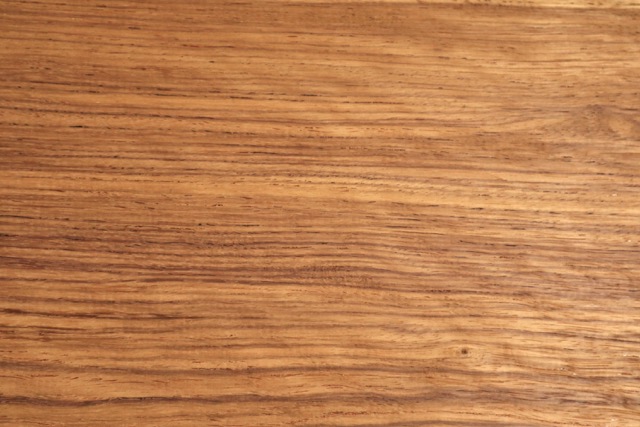
Ababa (Anthonota fragrans) is a lesser-known West African hardwood with warm, earthy tones. It's durable, naturally resistant to decay and insects, and an affordable alternative to more familiar tropical species.The heartwood carries a mix of warm browns, and the grain is interlocked with a medium to coarse texture, which gives finished pieces plenty of character. It's strong without being difficult, machining well and taking a finish beautifully. As with any interlocked wood, a sharp blade and a light final pass help keep tear-out to a minimum.Ababa suits furniture, cabinetry, boxes and interior joinery, and its natural durability makes it worth considering for some outdoor projects too. If you like the striped look of Zebrawood but want something more cost-effective, it's well worth a look.
boxmaking, cabinetry, fine furniture, furniture

Yellow Rosa (Aspidosperma sp.) is a vibrant yellow hardwood and an excellent alternative to Yellowheart. The Aspidosperma genus grows across Central and South America and includes several well-known timbers, such as Peroba Rosa.It's mostly golden, but some boards show soft patches of pink and orange, reminiscent of Peroba Rosa's classic tones. The grain is mostly straight with a fine, even texture, and those occasional color shifts give each board a bit of individuality.It's fine-textured and durable, with a good balance of beauty, strength and workability, and it takes a finish well. A clear finish brings out its warm golden glow, and like most yellow woods it slowly mellows to a deeper gold over time. Sharp tools help where the grain is irregular, and it sands to a smooth, even surface.Yellow Rosa is well suited to fine furniture, flooring, cabinetry, boxes, crafts and other woodworking where you want a splash of color. It pairs especially well with dark woods like Black Walnut or Wenge for contrast.
boxmaking, cabinetry, crafting, fine furniture, flooring, furniture
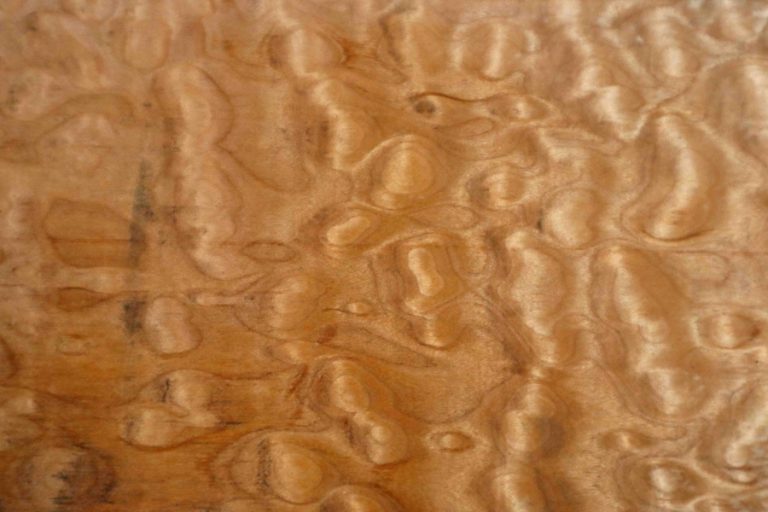
Quilted Maple comes from Bigleaf Maple (Acer macrophyllum), which grows along the Pacific coast from British Columbia to California. It's prized for its rippling, three-dimensional figure, which looks like quilted fabric or rippling water.The figure comes from irregularities in the tree's growth, and it gives the wood real depth and shimmer, especially under finish. Color varies from pale cream to light tan, sometimes with warmer tints. Only a small share of Bigleaf Maple shows strong quilt, which is why good boards command a premium.It's a little softer than Hard Maple and works much like other maples. Take light passes to avoid tear-out in the figure, and sand carefully. A dye or clear finish brings out the shimmer dramatically, which is why it's so popular for guitar tops.Quilted Maple is a favorite with luthiers for electric guitar tops and acoustic backs, and it's also used for fine furniture, boxes, knife handles, paneling and decorative veneer. For a different maple figure, see Birdseye Maple and Curly Maple.
boxmaking, cabinetry, furniture, interior panelling, knife handles, lutherie, musical Instruments
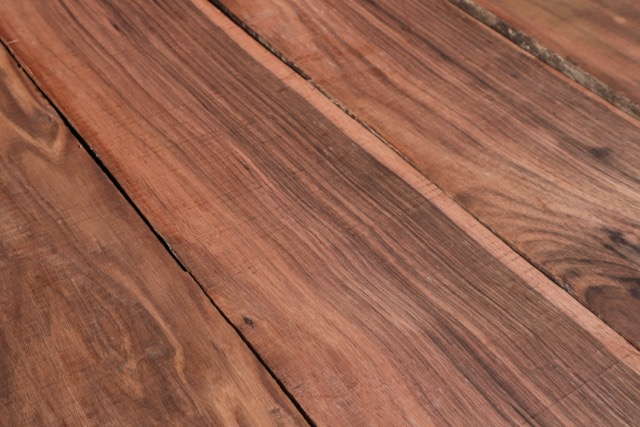
Malaysian Blackwood (Diospyros ebonasea), also called Malaysian Ebony, is a true ebony from Southeast Asia.It's prized for its dense, dark heartwood, which ranges from deep brown to black. Many boards show striking spiderweb-like patterns, so each piece is unique.Like other ebonies it's hard and dense, so use sharp tools and take your time. The reward is a smooth surface that polishes to a fine, lustrous finish and holds crisp detail.Malaysian Blackwood is used for musical instruments, fine furniture, boxes, turnings and other luxury pieces where its color and figure can stand out. If you like its look, take a look at Ziricote and Amara Ebony too.
boxmaking, cabinetry, crafting, fine furniture, lutherie, musical Instruments, specialty items, turnings
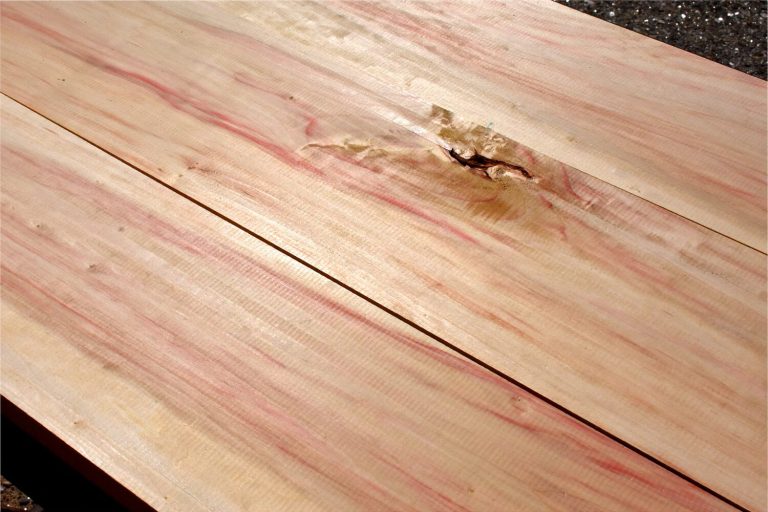

Kosso (Pterocarpus erinaceus), also sold as Senegal Rosewood in some markets, is a West African hardwood with gorgeous color and grain. It looks similar to Kiaat, another member of the Pterocarpus genus.The heartwood ranges through warm reddish-brown to deep red-purple tones, often with darker streaks and attractive figure, and it finishes to a rich luster. Like other Pterocarpus species, it's durable, stable and works well, turning and finishing nicely.Its beauty has made it heavily exploited for “Hongmu,” the traditional rosewood-style furniture popular in China, and it's now considered an endangered species. That demand has made legal supply very limited, and it's become one of the rarer woods we carry.Kosso suits boxes, cabinetry, inlay, knife handles, pens and specialty pieces where its color can shine. Our stock is limited, and we don't expect to be able to replace it once it's gone. For a similar look, see African Padauk and Kiaat.
boxmaking, cabinetry, inlay, knife handles, specialty items
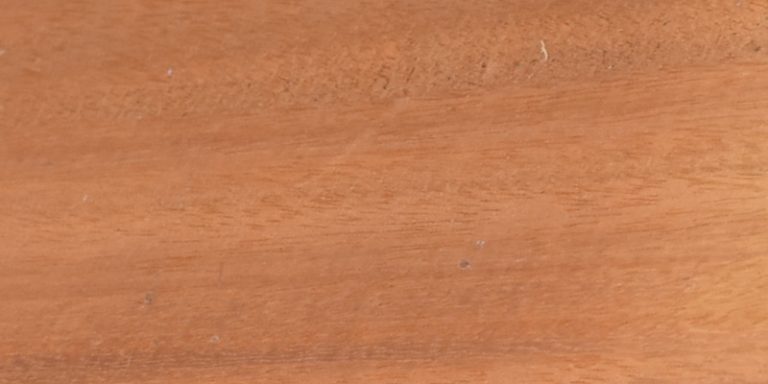
Argentine Osage Orange (Maclura tinctoria), also called Fustic or Mora, is a South American relative of the domestic Osage Orange, with the same bright yellow-orange color. It grows from Mexico to Argentina, and was once a major source of yellow dye.It usually comes in larger sizes, with cleaner lumber and fewer defects than the US species. Like its cousin, its color deepens over time toward a richer golden brown, and a finish with UV protection slows the change. The grain is straight to interlocked with a medium texture.It's hard and dense, so it's tough on tools, but it turns and finishes well, polishing to a lovely luster. Sharp tools and light passes give the cleanest results. It's naturally durable, sharing much of its cousin's resistance to rot.It's a great choice for boxes, inlay, carving, cabinetry, crafts, bows, turnings and specialty pieces where you want a splash of color, and its larger, cleaner boards make it easier to use than the domestic species. For another bright yellow, see Yellowheart.
boxmaking, cabinetry, carving, crafting, inlay, specialty items
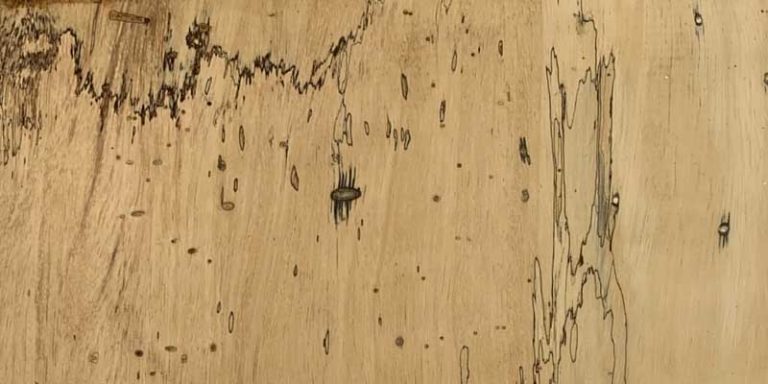
Spalted Tamarind (Tamarindus indica) comes from Southeast Asia, where fungi create wild, spiderweb-like patterns of black lines through the wood. The tamarind tree is better known for its sweet-sour fruit pods, but its timber makes some of the most dramatic spalted stock around.The spalting is mostly in the creamy sapwood, which is prone to the fungi and insects that cause it. The result adds real character and excitement to every piece, and no two are alike. Where heartwood is present, it's a much darker reddish-brown to purplish-brown, which makes for striking contrast.It's moderately difficult to work but turns and finishes well. Sometimes the decay goes deeper than the surface suggests, leaving soft spots, so expect some waste and consider stabilizing softer pieces before turning. Use good dust collection and a dust mask, as fungal spores add to the dust.Spalted Tamarind is a favorite with turners and box makers, and it's also used for inlay, knife scales, pen blanks and other specialty pieces. For another spalted wood, see Spalted Maple.
boxmaking, inlay, specialty items, turnings
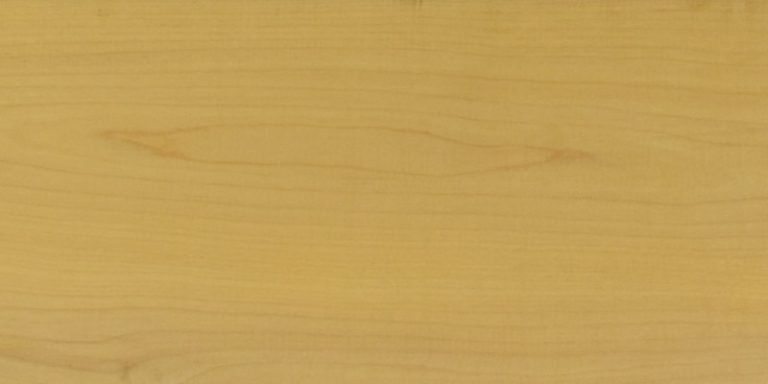
Yellow Birch (Betula alleghaniensis) is one of the most useful North American hardwoods, and ours is sourced locally in Maine. It's a well-priced alternative to Maple.The heartwood ranges from pale yellow to a light reddish-brown, with grayish-white sapwood. The grain is generally straight and the texture fine and even. Figured boards with wide curl, similar to Cherry, are especially prized and sold as Flame Birch.It works easily, and it turns, glues and finishes well, though most boards have little natural luster until finished. It's strong and hard-wearing, but it isn't durable outdoors, so keep it protected.Yellow Birch is used for cabinetry, furniture, flooring, boxes and crafts, and it's one of the most popular woods for veneer and plywood.
boxmaking, cabinetry, crafting, flooring, furniture
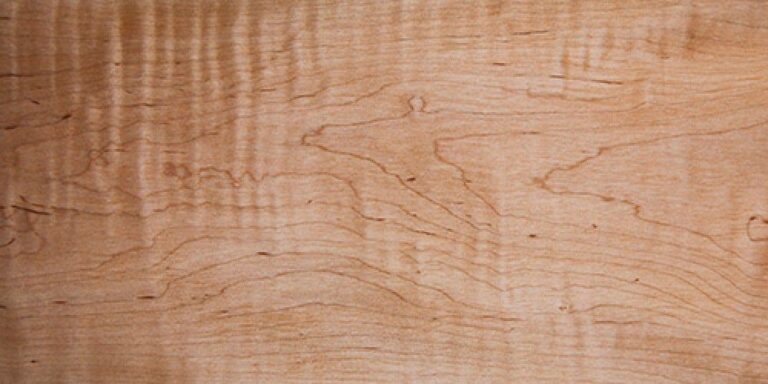
Curly Soft Maple is Red Maple (Acer rubrum) with shimmering curl figure. Red Maple is the heaviest and most common of the soft maples and grows across the eastern US and Canada, including here in Maine.The pale white to golden sapwood is the most valued part, and the figure can include tiger stripe, fiddleback and occasionally quilt. Curl is actually more common in soft maples than in hard, so there's plenty of character to choose from. Our stock generally ranges from light to medium figure.It's a little easier to work than hard maple. Take light passes to avoid tear-out in the figure, and go slowly with high-speed tools, as maple can burn. A dye or oil finish brings the curl to life.Curly Soft Maple is popular for guitar bodies and tops, furniture, boxes, turnings, specialty items and veneer, and it's a more affordable way to get the curly maple look. For a darker version, see Roasted Curly Soft Maple, and for harder stock, see Curly Hard Maple.
boxmaking, specialty items, turnings, utility lumber, veneer
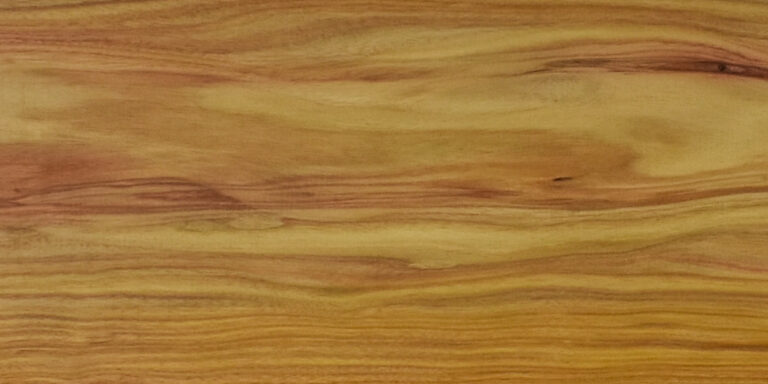
Canarywood (Centrolobium spp.), also called Canary or Yellow Tarara, grows across South America, from Panama to southern Brazil. It's best known for its lively mix of colors, which makes every board a little different.The heartwood ranges from pale yellow through pink and orange to dark reddish-brown, and the best boards show the whole range in a single piece, often with darker streaks. More evenly colored boards can look a lot like Cherry. The colors deepen and mellow over time toward a warmer reddish-brown.It's durable and fairly hard, yet still easy to work. The grain is usually straight, sometimes interlocked, with a medium texture, and it turns, glues and finishes well, taking a high polish. That means you get a colorful South American hardwood without the usual struggle, and at a reasonable price.Canarywood is a great choice for boxes, turnings, inlay, bandings, furniture accents and veneer, and the right board makes a good, lower-priced alternative to Tulipwood. Not to be confused with Red Canarywood, which is a different wood from another genus.
bandings, boxmaking, inlay, specialty items, turnings, veneer

Thuya Burl (Tetraclinis articulata) comes from Morocco and is one of the most beautiful burls you can buy. The burl grows at the base of the tree, partly underground, and is carefully dug out by hand.It's a rich reddish-brown, with dense, swirling figure and clusters of tiny “eyes” that vary from block to block. It also has a distinctive, spicy scent similar to Western Red Cedar, which comes through every time you cut or sand it.The figure makes it prone to tear-out, so work it carefully with very sharp tools and light passes, and expect the occasional natural void or inclusion. It sands well and polishes to a deep, glowing finish, and many pieces need nothing more than oil or wax to show off their figure.Moroccan craftsmen in Essaouira have made fine boxes and inlaid work from Thuya for generations. Highly figured pieces make stunning knife handles, boxes, pens, inlay and other accent pieces. It's a premium wood and the price reflects that. For another prized burl, see Masur Birch.
boxmaking, inlay, specialty items
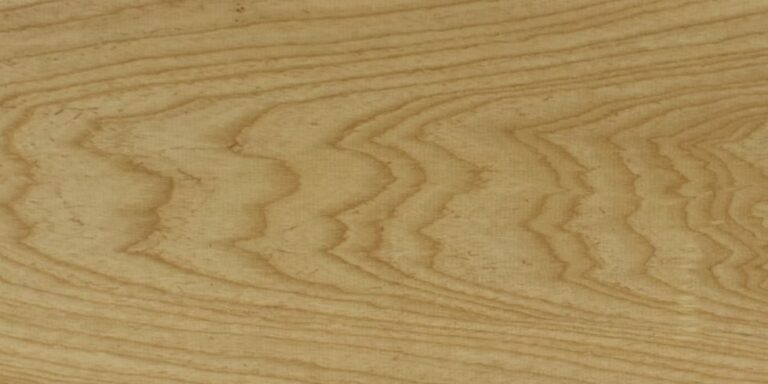
Swamp Ash isn't a single species. It's the name for ash (Fraxinus) from trees growing with their roots in or near water, which produces the lightest, softest ash available.The wood is pale with an open grain. It's light and resonant yet stable, easy to work by hand or machine, and it steam-bends, sands, glues and stains well. Because ash gets denser further up the tree, the most sought-after boards come from the midsection down to the trunk.Swamp Ash is best known as an electric guitar body wood. Players and builders value its crisp highs, tight lows and scooped mids, and steady worldwide demand makes it the most expensive of the ashes.It's also used for boxes, turnings and flooring. For a harder, more general-purpose ash, see White Ash.
boxmaking, flooring, musical Instruments, turnings
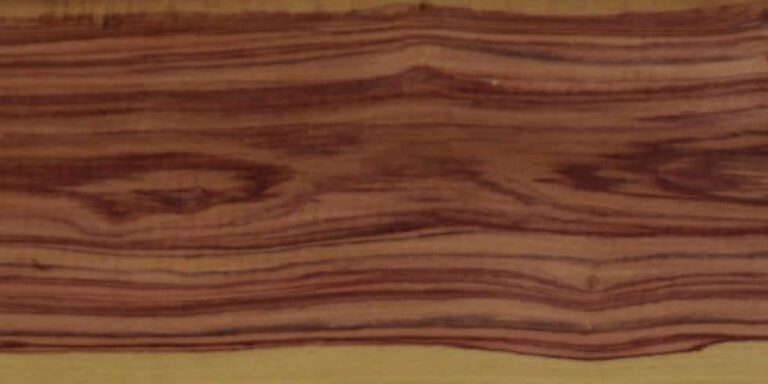
Tulipwood (Dalbergia decipularis), also called Brazilian Tulipwood or Pinkwood, is one of the most coveted and seldom-seen rosewoods. It grows in northeastern Brazil and is unrelated to Tulip Poplar, which is sometimes sold under the same name.The heartwood is cream to salmon, striped with reds, violets, purples, pinks and rose, and the sapwood is pale yellow. It has a mild, sweet scent when cut. The color slowly fades with exposure to light, so a UV-resistant finish helps preserve it.The grain is mostly straight, sometimes wavy or irregular. It's dense and oily, which makes it challenging to work and glue, so keep tools sharp and wipe joints with a solvent first. Despite its open grain, it sands very smooth and polishes to a pleasing luster.The trees are small, so long, wide boards are rare and command a premium, and most Tulipwood comes in craft-sized pieces. It's been a favorite for fine furniture inlay and banding for centuries, and it's used for boxes, turnings, pool cues, bows and instrument parts. For a lower-priced alternative, see Canarywood.
bandings, bows, boxmaking, inlay, musical Instruments, pool cues, specialty items, turnings, veneer

Yellowwood (Podocarpus latifolius) is the national tree of South Africa, and its light, even-grained wood has been used there for hundreds of years, from railway sleepers and building timbers to floors and furniture. The slow-growing trees can reach around 100 feet in moist mountain forests.The heartwood is pale yellowish-brown, sometimes with reddish streaks, and hard to tell apart from the sapwood. The grain is usually straight, occasionally wavy, with a fine, even texture and a nice natural luster.It's tough, stable and easy to work with hand and power tools, and it planes, glues and finishes well. It's fairly light in weight, which makes it pleasant to handle on larger projects, and it takes stains and clear finishes evenly.Old Cape Dutch homes are famous for their yellowwood floors, ceilings and furniture, and antique yellowwood pieces are highly collectible in South Africa. It's still very popular in southern Africa for indoor carpentry and floors. Yellowwood is a lovely choice for boxes, fine furniture and interior work. See also Stinkwood, its traditional partner in Cape furniture.
boxmaking, fine furniture

Bog Oak is English Oak (Quercus robur) that has been preserved for centuries, often thousands of years, in a peat bog. Ancient trees fell into the wet ground and were sealed away from the air, then recovered when bogs are drained or dug.Starved of oxygen, the wood doesn't rot. Instead, minerals in the acidic peat react with the tannins in the oak and slowly turn it dark brown to almost black. Some pieces have been radiocarbon-dated to several thousand years old, and every piece has its own history and character.It works much like other oak once dry, though it can be more brittle, so take light passes and handle it with care. Drying must be slow and careful, which is part of why it's so rare. It finishes to a deep, rich luster that no stain can match.Bog Oak is a rare, special wood for boxes, knife handles, jewelry, inlay, pens and small furniture pieces, and it makes a remarkable talking point. See also Slavonian Oak, the same species in its fresh form.
boxmaking, furniture, knife handles
Soft Maple isn't a single species. It's the name for the lighter maples, and ours is Red Maple (Acer rubrum), the heaviest and most common of them, found across the eastern US and Canada. Like all our maples, it's a Maine local.As with all maples, the pale white to golden sapwood is valued more than the darker heartwood. The grain is usually straight with a fine, even texture, and it's only slightly softer than Hard Maple, so it's hard enough for most furniture.It's a little easier to work than Hard Maple, and it machines, turns, glues and finishes well. Go slowly with high-speed tools, as maple can burn, and test stains first, as it can blotch. Figure can be dramatic, from tiger stripe and fiddleback to the occasional quilt.Its extra weight makes Red Maple the most useful of the soft maples for furniture and utility work. Soft Maple is a versatile, affordable choice for cabinetry, painted furniture, boxes, turnings, millwork and veneer. For figured stock, see Curly Soft Maple.
boxmaking, specialty items, turnings, utility lumber, veneer

Curly Hard Maple, or Tiger Maple, is Sugar Maple (Acer saccharum) with bold “tiger stripe” figure, also known as fiddleback when it's tight and even. Curl is more common in soft maples, but it appears in hard maple too, and that's what we stock.As with all maple, the pale sapwood is the most valued part. Dense, pure-sapwood boards with strong figure are the most sought-after and command serious prices with electric guitar makers. The tight curl on quartersawn boards is especially striking, with stripes that seem to move as you tilt the board.It works like any hard maple: take light passes to avoid tear-out in the figure, and go slowly with high-speed tools, as maple can burn. A dye or oil finish makes the curl pop dramatically, which is why it's so popular for guitar tops.Curly Hard Maple is a favorite for fine furniture, Shaker and colonial reproductions, boxes, flooring, cabinetry, gun stocks and veneer, as well as violin backs and guitar necks. See also Curly Soft Maple.
boxmaking, fine furniture, veneer
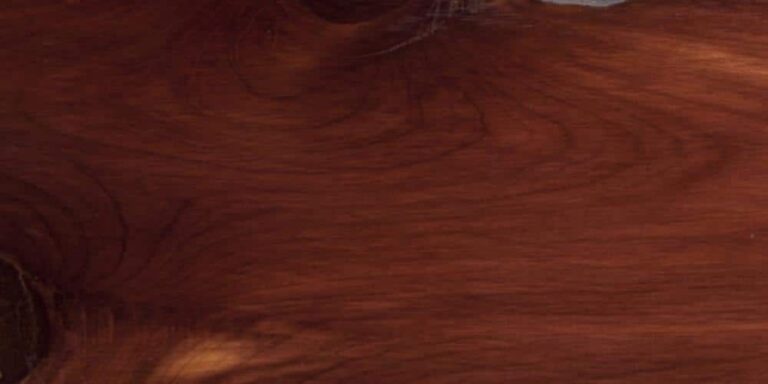

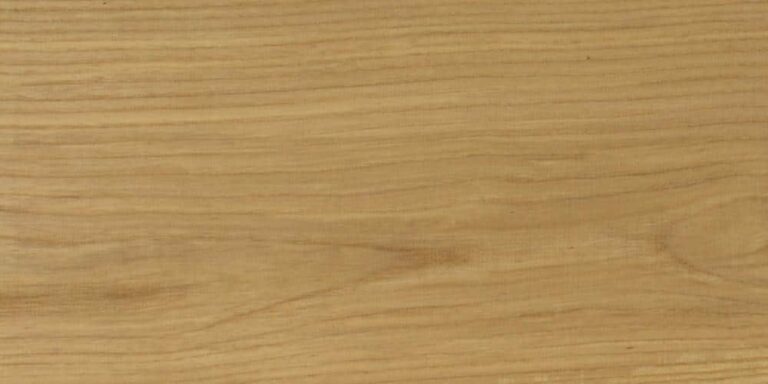
White Ash (Fraxinus americana) is native to eastern and central North America and, along with Oak and Hickory, is one of the most widely used utility hardwoods in the US. It's the tallest-growing of the North American ashes and the one you'll see most often.The color ranges from light beige to light brown, with medium to dark brown grain lines. The grain is usually straight and the texture coarse, often compared to Oak. It's modestly priced, works easily, and glues and finishes well.Ash is tough and shock-resistant, which is why it's the classic wood for tool handles and baseball bats. It's also used for furniture, flooring, boxes and turnings, and occasionally for electric guitar bodies, where it has good resonance. If you're after a lighter ash for guitars, take a look at Swamp Ash.
boxmaking, flooring, turnings
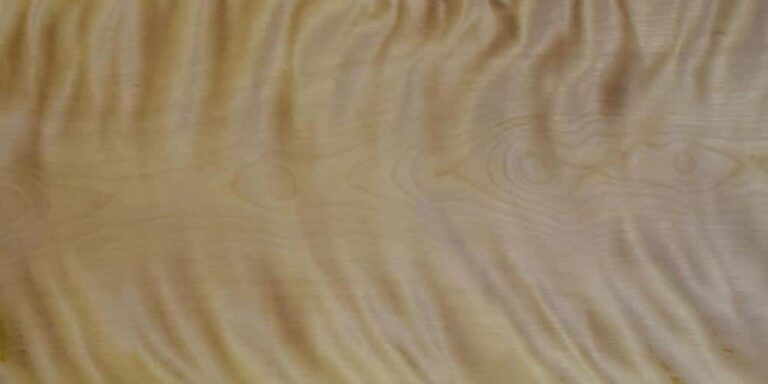
Flame Birch isn't a separate species. It's Yellow Birch (Betula alleghaniensis) with a bold, wavy flamed figure running across the grain.The heartwood ranges from pale yellow to a light reddish-brown, with grayish-white sapwood. The best boards show wide, dramatic curl, similar to figured Cherry, that shimmers under a clear finish.It works easily and turns, glues and finishes well, though most boards have little natural luster until finished. It isn't durable outdoors, so keep it protected.Flame Birch is a favorite for boxes, turnings, crafts and specialty pieces where the figure can take center stage, and the best logs go to veneer. For a darker, more stable version, see Roasted Flame Birch.
boxmaking, crafting, specialty items, turnings, veneer
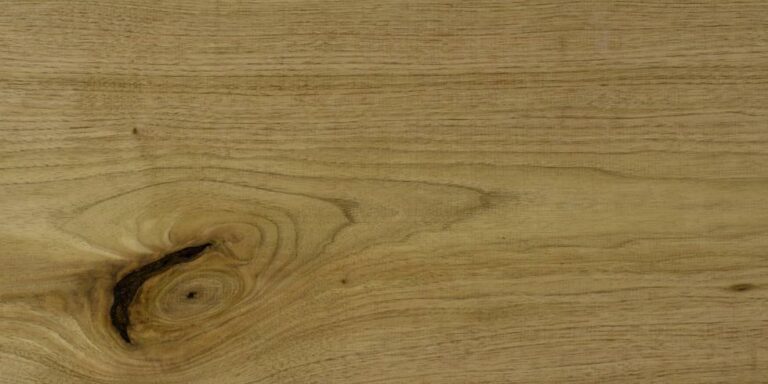
Butternut (Juglans cinerea) is often called White Walnut, and it's a true member of the walnut family. It grows across the eastern United States and southeastern Canada, and it's much lighter and softer than its walnut cousins.The color is a pleasant light tan with a soft, pastel look, and some boards carry a pink or reddish tint. The grain is mostly straight with a medium to coarse texture, and the tree's fluted trunk can produce irregular, eye-catching figure. It looks a lot like a pale walnut, which makes it a handsome choice for furniture with a softer, lighter tone.Its low density makes it very easy to work by hand or machine, and like other walnuts it turns, glues, stains and finishes well. Despite being soft it's fairly durable, though like all walnuts it can be attacked by insects, and it dents more easily than harder woods.Butternut is a favorite with carvers and is also used for furniture, paneling, boxes, crafts and veneer. Many North American trees have been lost to butternut canker, a fungal disease, so good lumber is becoming harder to find. For a darker walnut, see American Black Walnut.
boxmaking, carving, crafting, furniture, veneer