
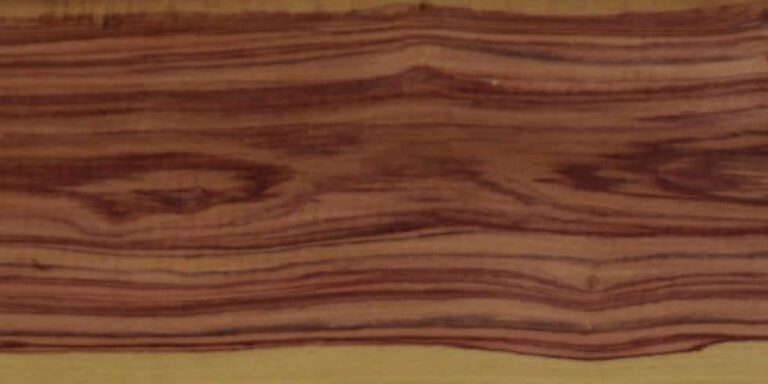
Tulipwood (Dalbergia decipularis), also called Brazilian Tulipwood or Pinkwood, is one of the most coveted and seldom-seen rosewoods. It grows in northeastern Brazil and is unrelated to Tulip Poplar, which is sometimes sold under the same name.The heartwood is cream to salmon, striped with reds, violets, purples, pinks and rose, and the sapwood is pale yellow. It has a mild, sweet scent when cut. The color slowly fades with exposure to light, so a UV-resistant finish helps preserve it.The grain is mostly straight, sometimes wavy or irregular. It's dense and oily, which makes it challenging to work and glue, so keep tools sharp and wipe joints with a solvent first. Despite its open grain, it sands very smooth and polishes to a pleasing luster.The trees are small, so long, wide boards are rare and command a premium, and most Tulipwood comes in craft-sized pieces. It's been a favorite for fine furniture inlay and banding for centuries, and it's used for boxes, turnings, pool cues, bows and instrument parts. For a lower-priced alternative, see Canarywood.
bandings, bows, boxmaking, inlay, musical Instruments, pool cues, specialty items, turnings, veneer
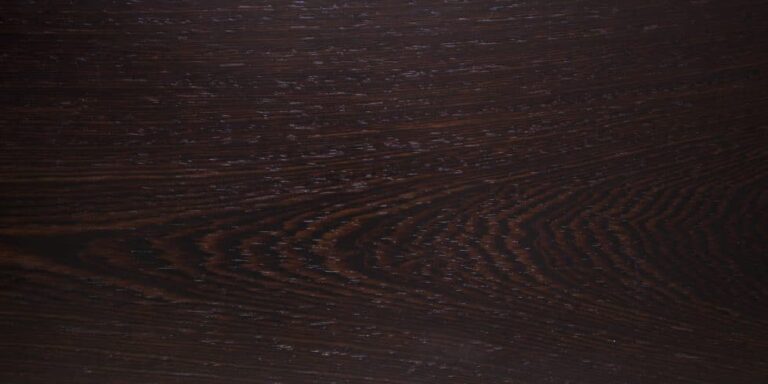
Wenge (Millettia laurentii) is a tough Central African hardwood whose deep chocolate color is so distinctive that “wenge” has become the name of a color used by paint and furniture makers.The dark brown base sometimes carries muted gold, orange, red or burgundy tints, with overlapping black lines across the surface. The grain is generally straight, sometimes wavy or irregular, and quartersawn boards show a striking, even stripe.It's strong, durable, rot- and insect-resistant and very stable, and it glues well, though its coarse texture can make it hard to work. It's often described as dull, but in our experience fine-grit sanding of flat-sawn boards can bring out a surprisingly deep, glossy luster. It's very splintery, and its splinters are sharp and can easily become infected, so wear gloves, remove any splinters promptly and use good dust collection.Its combination of moderate weight, strength and durability makes it well suited to high-traffic flooring, as well as furniture, cabinetry, paneling, handles, bows and walking sticks. See also Panga Panga, its close cousin.
bows, cabinetry, flooring, furniture, handles, paneling, specialty items, veneer, walking sticks

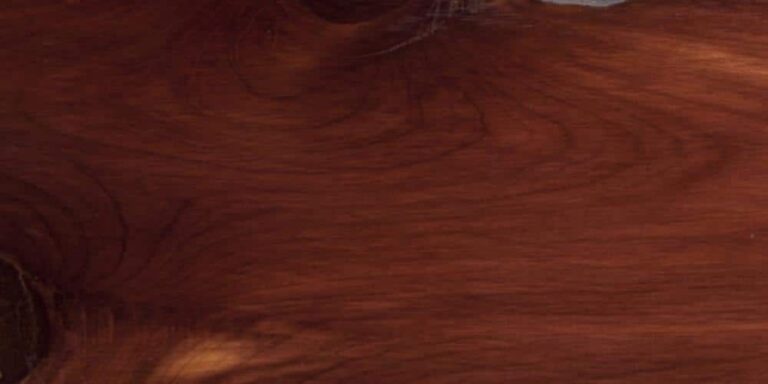
Osage Orange (Maclura pomifera), also called Horse Apple or Bodark, is a dense, durable hardwood from the south-central United States, named after the Osage Nation, who prized it for bows. It has striking color.The heartwood starts out bright golden yellow and darkens over time to a deeper golden brown, sometimes with reddish streaks. A finish with UV protection slows the change. The grain is usually straight with a fine to medium texture, and the wood fluoresces under black light.It's hard and dense, which makes it tough to work, but it turns and finishes well. It's one of the most rot-resistant woods in North America, and fence posts made from it are famous for lasting generations. Trees are often short and knotty, so long, clear boards are scarce.It's the classic wood for archery bows, and it's also used for fence posts, tool handles, turnings, pens and specialty pieces. Its South American relative, Argentine Osage Orange, comes in larger sizes with fewer knots.
bows, fencing, specialty items, turnings
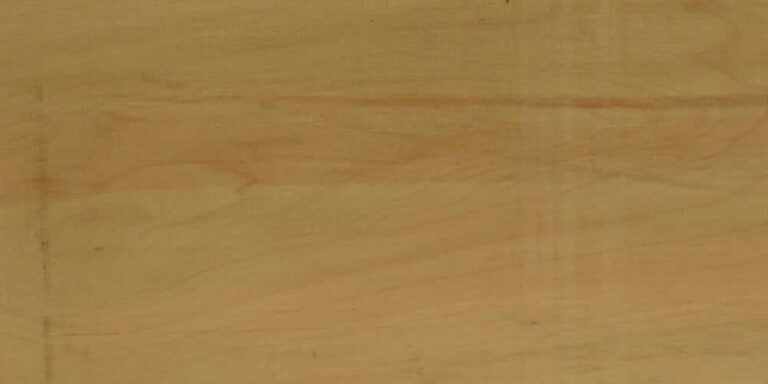
Castello Boxwood (Calycophyllum multiflorum) is a South American wood related to Lemonwood. It isn't a true boxwood, but it has a very similar pale yellow to light brown color.The grain is generally straight, sometimes slightly interlocked, and the texture fine and smooth. It's moderately durable and turns, glues and finishes well. Its small, tightly packed pores make it fairly tough to cut, despite its generally cooperative nature.It dries slowly, so it's often sold green or partly green. The trees are small and supply through US channels is limited, so prices reflect that.Castello Boxwood is a popular choice for turning, carving, inlay and bows. For the real thing, see Boxwood.
bows, carving, inlay, turnings