Shopping Cart

Call us: +1 (207) 364 1520

Free shipping to the lower 48 states on orders > $100  *T&Cs apply

Species

Already know what you're looking for?

Species Discovery Filters

Snakewood Lumber @ Rare Woods USA
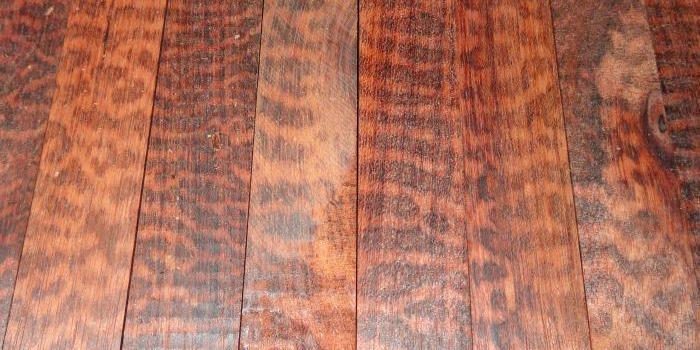
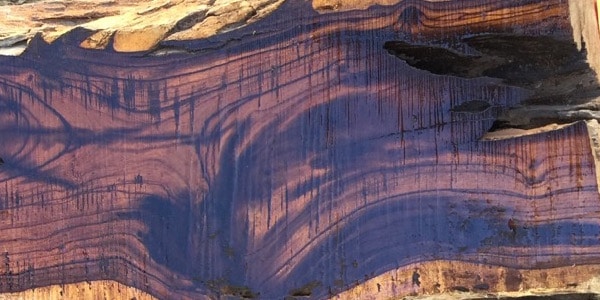
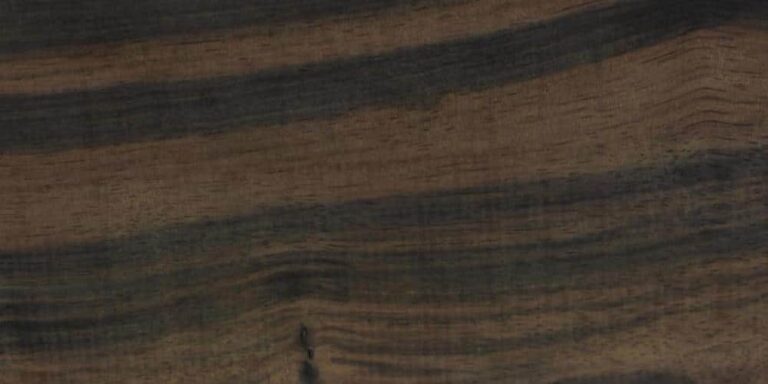
Snakewood is one of the rarest and most visually distinctive woods in the world. Its pale yellow, orange-brown, or reddish-brown background is covered with a dense pattern of dark brown to black markings that closely resemble snakeskin, giving the species its unmistakable name. The grain is typically straight, and the texture is exceptionally fine, allowing finished pieces to take on a remarkable natural luster.Renowned for its extreme density and hardness, Snakewood is among the most challenging woods to work. It can be brittle and prone to splintering or cracking during machining, requiring razor-sharp tooling and careful handling. Despite these challenges, it turns beautifully and can be polished to an extraordinary finish, making it highly sought after by fine craftsmen.The tree itself is relatively small, producing slender trunks that limit the size of usable lumber. As a result, Snakewood is rarely available in wide boards and is most commonly sold as small billets, turning blanks, scales, pen stock, bow blanks, and specialty craft material. Long, wide boards are virtually unheard of.A member of the Brosimum genus, Snakewood is closely related to Bloodwood and shares the same exceptional density, strength, and durability. Its dramatic appearance and rarity have made it a favorite for high-end knife and gun handles, fine inlay work, luxury pens, musical instrument components, violin bows, and custom woodworking projects where no substitute will do.Due to the small size of the trees and the limited yield of defect-free material, Snakewood is often considered one of the most expensive woods in the world on a per-board-foot basis. Every usable piece represents a remarkably small portion of the original log, making this species as rare as it is beautiful.
fine furniture, specialty items, turnings
Detail
Detail
Common Uses
Zebrano Lumber @ Rare Woods USA
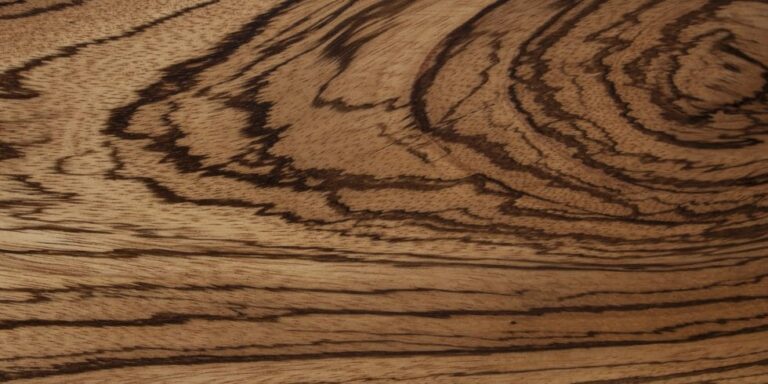
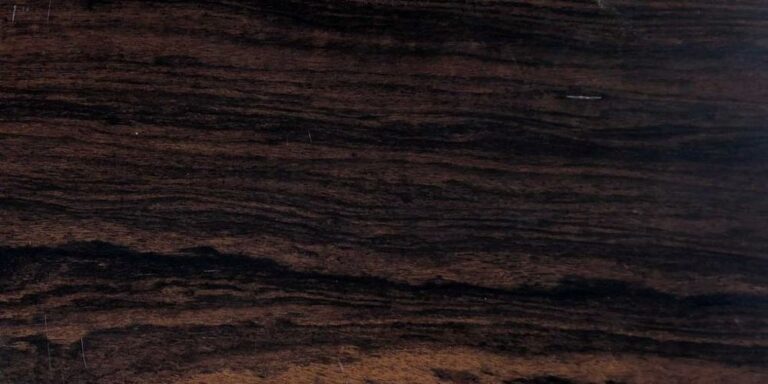
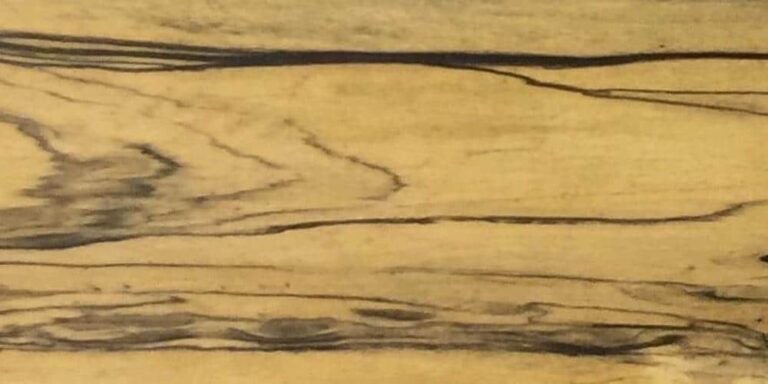
Zebrawood is a tough, durable, visually striking West African wood whose heartwood base color -- which can range from tan to a dull pale yellow, to a muted off-white / almost gray hue, depending on specific region and conditions of growth -- is decorated by dark brown striping of varying degrees (ranging to almost black), hence its name. The striping is typically long and fairly uniform when the wood is quartersawn, but wavy and erratic when flatsawn.  Sapwood is easily distinguishable (by its lack of striping, naturally) and is usually a light, pale white color.Its coarse, open-poured texture combined with its wavy and/or interlocked grain patterns can make planing a challenge. (as well as finishing, if filling all surface pores is requisite.) For any sort of resawing or surfacing, blades and cutting tools should be at their sharpest to minimize tear-out.  The wood glues well and usually possesses a pleasant, moderate to high luster, which can make for impressive finishing.While flatsawn lumber can yield some quite dramatic aesthetic results, quartersawn lumber provides maximum (and sometimes much needed) stability. The species is known to be difficult to dry, with pieces sometimes warping during the kiln drying process. Tiny pockets of small void areas, also, are not uncommon along the darker striped areas -- especially among flatsawn boards.Zebrawood's trademark aesthetics have made it very popular with veneer mills around the world. However, great care is required when handling, to avoid it cracking.  The wood's popularity keeps it in steady demand, which makes it moderately expensive in spite of a generally steady supply in the US.  While its demand is based almost exclusively on its aesthetic appeal, Zebrawood is a strong, stiff lumber, once dry.
fine furniture, handles, turnings, veneer
Detail
Detail
Common Uses
Rosewood - East Indian Lumber @ Rare Woods USA
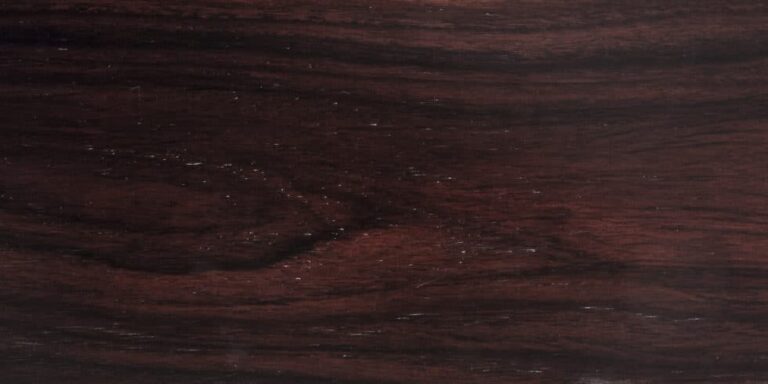
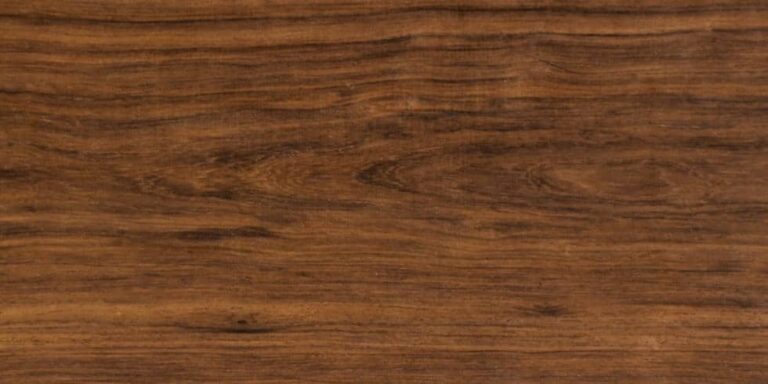
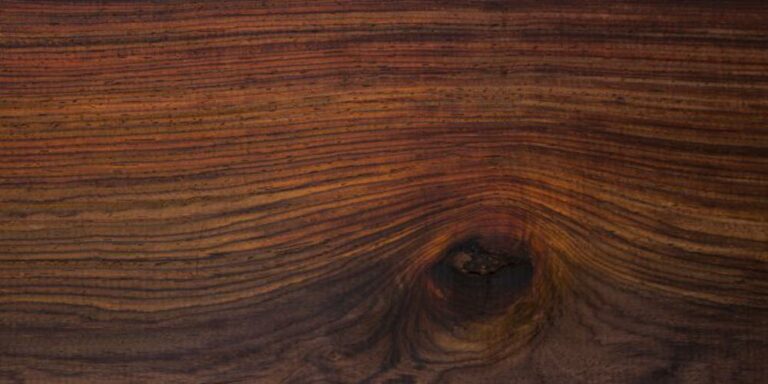
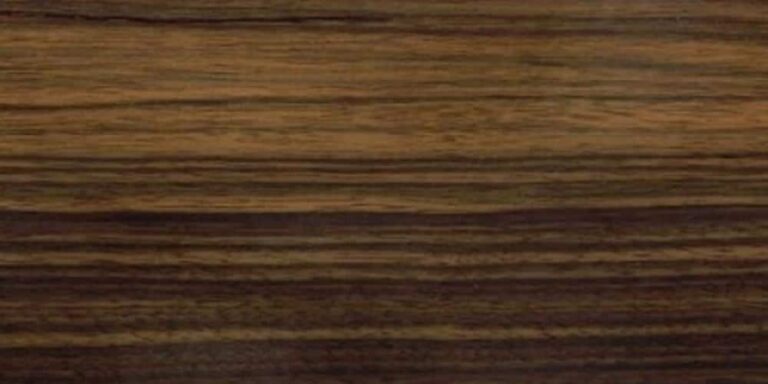
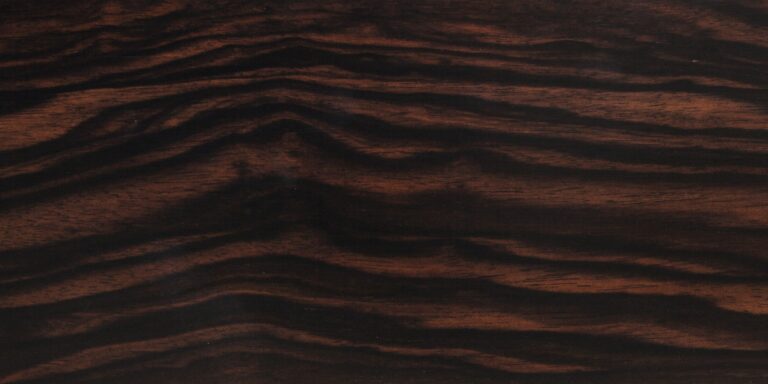
East Indian Rosewood can vary greatly in color. Although its base color is mostly always brown, the shades can range from golden brown to purplish or dark reddish brown. Secondary colors are often present. The wood's colors will darken with continued UV exposure. East Indian Rosewood is generally less dense than most other rosewoods. Its grains are typically interlocked (although they can be irregular or straight), which can make it difficult to work. Care must be taken when finishing the wood, as it is not uncommon for the wood's natural resins to impose if it is not first sealed. It has a medium texture.Since the exportation ban on Brazilian Rosewood, more than twenty years ago, it has become a popular substitute with corporate guitar manufacturers (electric and acoustic, alike) -- due in large part to its historically steady supply and relatively low cost (compared with other Dalbergia's). By comparison to Brazilian Rosewood, its pores are smaller, but it is also a very durable wood that's not overly susceptible to bug damage/infestation and it is considered stable after drying.Don't confuse this species with Sissoo (Dalbergia sissoo) which can also be referred to as  "Indian Rosewood" in certain locales. It is believed that Sonokeling: a true Dalbergia indigenous to Indonesia -- where it is also known as "Jacaranda" is also Dalbergia latifolia, however tree farmers in Indonesia are not in agreement with this assessment. Our research into Indonesia and the cultivation of rosewood trees there revealed that back in the 1700's, while the Indonesian islands were considered a colony of Holland, Dutch merchant colonists transplanted two major Dalbergia's to Indonesia: Dalbergia Nigra (Brazilian Rosewood), from Brazil, and Dalbergia sissoo (Indian Rosewood), from India.  This could well be a botanical mystery worthy of further investigation for the detail oriented student of the Dalbergia genus.
cabinetry, furniture, specialty items, turnings, veneer
Detail
Detail
Common Uses
Maple - Ambrosia Lumber @ Rare Woods USA

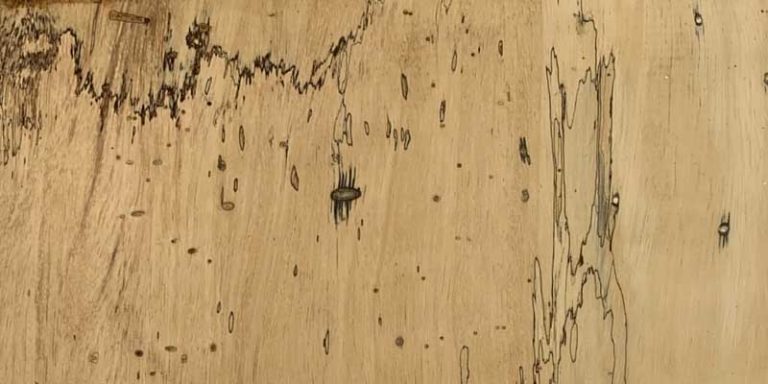
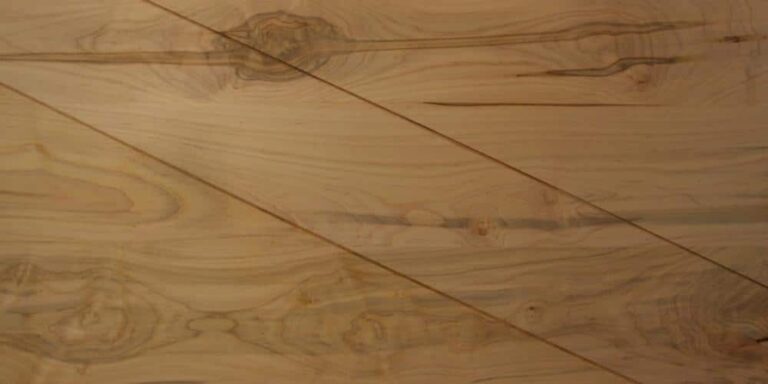
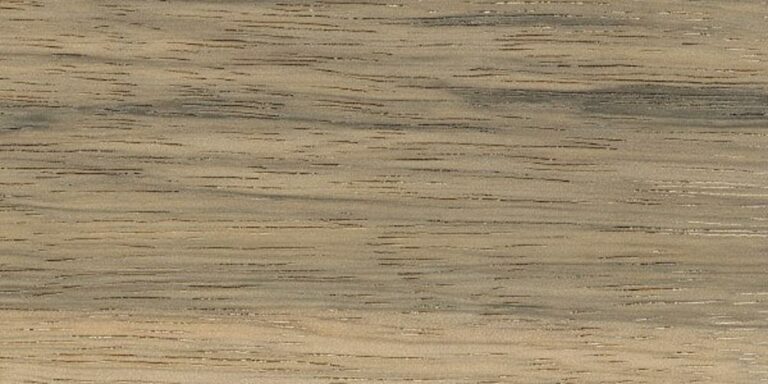
Ambrosia Maple is a general term attached to a variety of Acer (true maple) species whose boards included colorful bug "trails" -- caused by a fungus carried by the Ambrosia Beetle which penetrates the tree sap as the beetle eats into the tree, and it spreads both through the worm hole and up and down in the tree (carried along by the sap) and causes discoloring of the wood in streaks. The two primary species which draw the beetle's attention are Acer rubrum (Red Maple) and Acer saccharum (Sugar Maple), although -- with there reputedly being more than sixty different Acer species indigenous to North America -- this unusual phenomenon is certainly not confined to just the two. Weight and density can vary greatly -- depending upon the actual species -- the typical varieties of maple figuring can also be present, often creating some very unique, visually spectacular specimens.

Like any other maple, it is easily worked; generally cooperative through all phases. It's not much of a stretch to imagine -- since bugs have, quite obviously, already penetrated the wood's surface -- that the wood is decidedly non-durable, although it is generally stable enough for use in furniture and guitars. Its surface is typically darker than most sap maple (often featuring secondary / additional discolorations and other long streaks), although it retains the same high degree of natural luster.The scientific explanation is that the impregnated Ambrosia Beetle burrows into the maple tree (presumably for a safe place to deposit larvae), carrying fungi on its feet into the wood -- which serves as food for the insect's offspring, when they hatch. The fungal residue left behind as it digs into the maple can cause discoloration throughout the wood, via the tree's sap, in addition to the dramatically contrasting (mostly) blue and (sometimes) green trails which surround the small tunnels they chew. The beetles prefer wood that is not soaking wet, but that is in the beginning stages of drying. Once kiln dried, they will not re-infest.
crafting, furniture, lutherie, specialty items, turnings, veneer
Detail
Detail
Common Uses
Olive - Wild Lumber @ Rare Woods USA
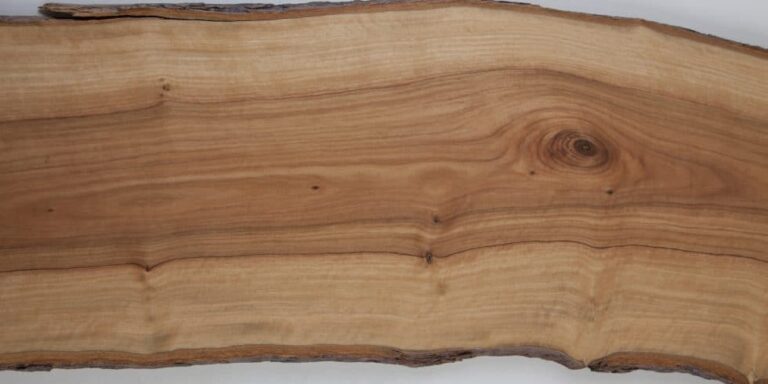
For millenniums, Olivewood has remained a wood of great cultural and religious importance and significance, especially in the Middle East. The wood can, indeed, be exquisite in appearance: with its (typically) creamy, golden brown base, and darker streaks and highlights, often augmented by spectacular figuring and/or areas of magnificent burling.Grain patterns are usually either straight or wild, although they can sometimes be interlocked, as well. Although opinions differ, Olivewood is thought by many to be a very durable wood, although it can be susceptible to insect / bug infestation. The wood is considered to be a superb turner, and it generally works, glues and finishes well. Because the fruit of the Olive tree is olives, there is a limited supply of Olivewood that is made available to the US.For wood craftsmen of all niches, Olivewood is highly desired for its often spectacular aesthetics; being known for its gorgeous, often-twisting grain patterns and dramatic figuring. Defects are not uncommon, and can often present some challenges when working, but hard work and perseverance can produce extraordinary results; there's really no other wood quite like it.Found in the Mediterranean Basin -- from Portugal to the Levant, and the Arabian Peninsula -- and Southern Asia, as far east as China, the Olive tree grows as a small evergreen tree or shrub. It is also known to grow in the Canary Islands, Mauritius and Reunion. The species is / has been cultivated in many places; it's considered "naturalized" in the Mediterranean coast countries, as well as in Argentina, Saudi Arabia, Java (Indonesia), Norfolk Island, (the U.S. state) California, and Bermuda.Its trunk is generally twisted and/or gnarled, making long, defected free boards quite rare. When found, they command a premium price.
carving, furniture, specialty items, turnings, veneer
Detail
Detail
Common Uses
Ebony - Black & White Lumber @ Rare Woods USA
More commonly known as "Pale Moon Ebony" to US guitar luthiers and aficionados, this Southeast Asian true Diospyros ebony is, without question, the world's most difficult, perplexing exotic wood and at times, one of its most visually stunning. (It's also one of its most sought-after.) The wood is known for the bold jet black ink lines which adorn its creamy, pale yellow base. Both the volume and pattern of its lines are unpredictable, varying greatly from piece to piece. Grains can be straight, wavy or irregular; its texture is fine, with a nice natural luster. Its hardness and density are quite moderate for an ebony.After being harvested or re-sawn, the wood exhibits a strong tendency to self-destruct -- often changing shape, cracking and checking -- if not quickly coated in wax. Although it's not currently viewed as endangered, the wood has always been in short supply in the US, despite an unquenchable demand from custom guitar builders and wood enthusiasts, alike. Other than the difficulties in drying, it has good working properties; it machines, turns, glues and finishes well.Because of its noted self-destructive tendencies, the wood is coated in wax almost immediately after being harvested. Given this, what little makes it to the US market arrives with very high moisture levels, necessitating further drying. (This is where it gets tricky.) Experience has shown that the best drying results are obtained by leaving the wood coated in wax and just patiently allowing it to air dry. Any attempts to speed up this process are very risky as the wood usually winds up punishing the impatient! Even when dried very slowly, the wood can still change shape. It's not unusual, at all, to find pieces with major surface checks and cracks that occur even while under wax. For this reason, you see significantly more craft-sized pieces than larger, resawable boards (which typically command a premium price). Recutting boards will speed up the drying process, but attentive care must be taken to prevent warpage of the cut pieces. Importation to the US has been through very limited, select channels on an irregular basis for a number of years.This wood is most always in short supply, while the demand remains constant. Rare Woods USA is very pleased to be able to offer a limited amount of larger boards and billets of this spectacular exotic wood. Lumber orders to Southeast Asia can sometimes take 12 to 18 months or more to fill, ship and receive. With the recent banning of rosewood and ebony exportation by the Laotian government, we're not sure how soon we'll be able to restock (if at all). For the last several years, US importation of Black & White Ebony has been exclusively from Laos.
cabinetry, carving, furniture, inlay, lutherie, specialty items, trim, turnings
Detail
Detail
Common Uses
0
    0
    Your Cart
    Your cart is emptyReturn to Shop