

Red Alder (Alnus rubra) is the most abundant hardwood in the US Pacific Northwest, where it has long been used for furniture and cabinetry. It's also been a popular electric guitar body wood since the instrument first went into mass production in the 1950s.The color ranges from light tan to reddish-brown. It's light and soft for a hardwood, which makes it very easy to work, and it glues and finishes well. Many cabinetmakers compare its easy-going nature to Black Cherry.Alder is usually sold in two grades, knotty and clear, with clear preferred for furniture and cabinets. The surface dents easily until it's finished, so a hard finish such as lacquer is a good idea. It isn't durable outdoors, so it's best kept to indoor projects such as cabinetry, millwork and instruments.
cabinetry, lutherie, millwork, musical Instruments
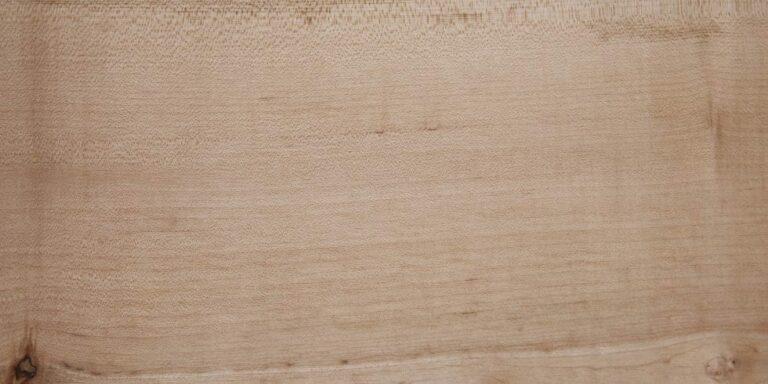
European Sycamore (Acer pseudoplatanus), also called French Sycamore, is a true maple, not the American sycamore or plane tree. As with other maples, the pale sapwood is the part that's prized.The sapwood ranges from almost pure white to light cream, sometimes tinted golden or muted red, while the heartwood is a medium to dark reddish-brown. The grain is usually straight, sometimes wavy, and figured boards with strong curl or flame can be truly dramatic.Its fine, even texture makes it easy to work by hand or machine, though like other maples it can burn with dull cutters or slow feed rates. It turns, glues and finishes well, with a good natural luster, and its pale color takes stains and dyes evenly.European Sycamore has been the traditional wood for the backs, sides and necks of violins, violas, cellos and basses for centuries, valued for its resonance at a moderate weight, which is why it's usually sold quartersawn. It's also used for furniture, cabinetry, flooring, turnings and veneer. For a North American cousin, see Curly Hard Maple.
cabinetry, flooring, furniture, joinery, millwork, musical Instruments, specialty items, turnings, utility lumber, veneer
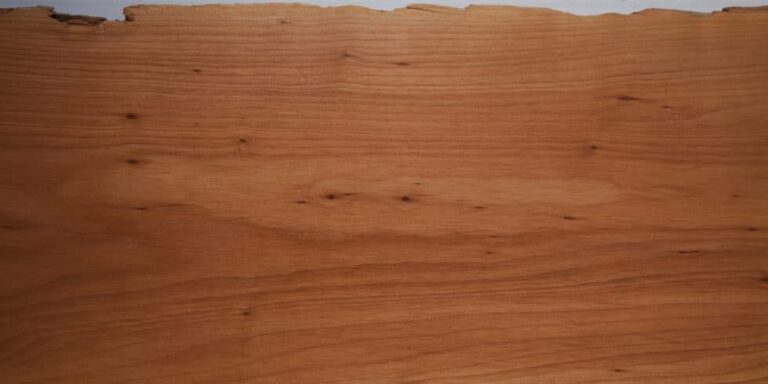
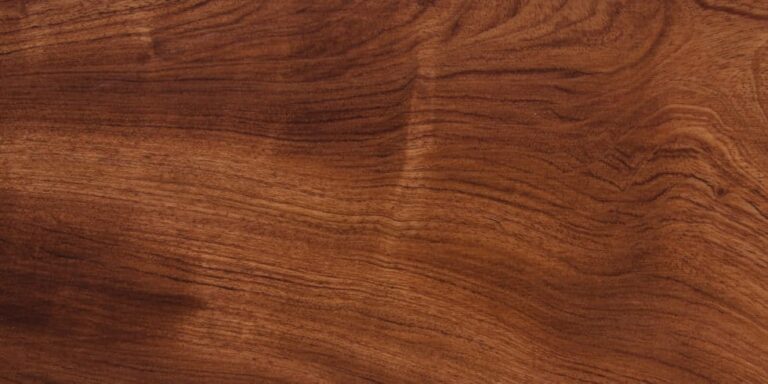
African Rosewood (Guibourtia coleosperma), also called False Mopane or Rhodesian Copalwood, grows in the dry woodlands of southern Africa. It's in the same genus as Bubinga, which is why Bubinga is often mistakenly called African Rosewood. It isn't a true rosewood, but it often has a similar look.The heartwood ranges from pink to reddish-brown with purple or red streaks. The grain is generally straight, sometimes interlocked, with a moderately fine texture and a good luster.It works well, though it can blunt tools, and it glues and finishes well. It needs slow, careful drying to avoid warping and cracking, but it's durable and stable once dry, which makes it suitable for outdoor as well as indoor use.The tree has many traditional uses in Africa: its seeds are eaten and pressed for oil, and its bark yields a red dye used to stain furniture. As lumber, it's used for flooring, furniture, decking, millwork, turnings and veneer.
boatbuilding, decking, flooring, furniture, millwork, specialty items, turnings, veneer

Black Cherry (Prunus serotina) is one of America's most important hardwoods and a long-time favorite for fine furniture. It grows across the eastern United States, with some of the finest timber coming from Pennsylvania and New York.Freshly cut, it's tan to light brown with a pink or red tint, and it ages to the rich reddish-brown (russet) that stains on other woods try to imitate. That color change happens quickly with light exposure. The sapwood is pale yellow, and small dark gum flecks and pith marks are part of its natural character.The grain is straight to irregular, the texture fine and even, and the density moderate. It's one of the most cooperative, user-friendly hardwoods around: easy to work, strong for its weight, stable and durable. It can blotch when stained, but with color like this there's rarely a reason to stain it. Go slowly with high-speed tools, as it can burn.Cherry is used for fine furniture, cabinetry, millwork, flooring, turnings and veneer, and occasionally for guitar necks and bodies. For figured stock, see Curly Cherry.
cabinetry, fine furniture, flooring, millwork, specialty items, turnings, veneer

Curly Black Cherry (Prunus serotina) is the figured version of American Cherry, with bold, shimmering curl running across the grain. The best boards are quite dramatic, with the stripes appearing to move as you tilt the piece in the light.Freshly cut, it's tan to light brown with a pink or red tint, and it ages to a rich reddish-brown that deepens over the years. The grain is straight to irregular, the texture fine, and the density moderate.It's one of the most cooperative hardwoods to work, and it's strong for its weight, stable and durable. Take light passes with a sharp blade to avoid tear-out in the figure, and finish with an oil or clear finish to make the curl glow. It can blotch if stained, but the natural color and figure are the reason to buy it.Curly Cherry is the most sought-after form of this classic American wood, ideal for fine furniture, cabinetry, boxes, drawer fronts and instrument parts where the figure can show. Its stability has also earned it a place in guitar necks and bodies. See also plain Black Cherry.
cabinetry, fine furniture, flooring, millwork, specialty items, turnings, veneer