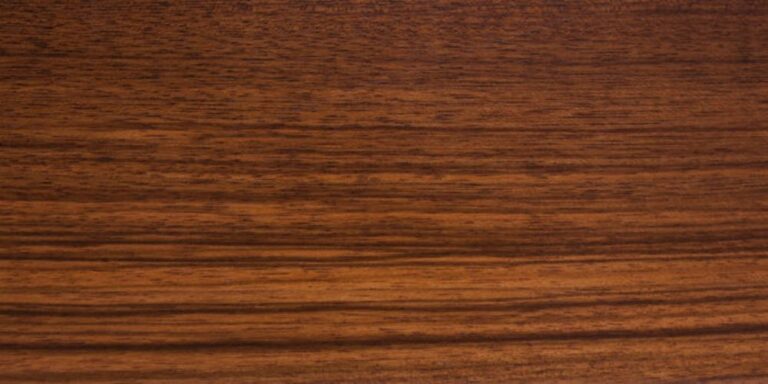
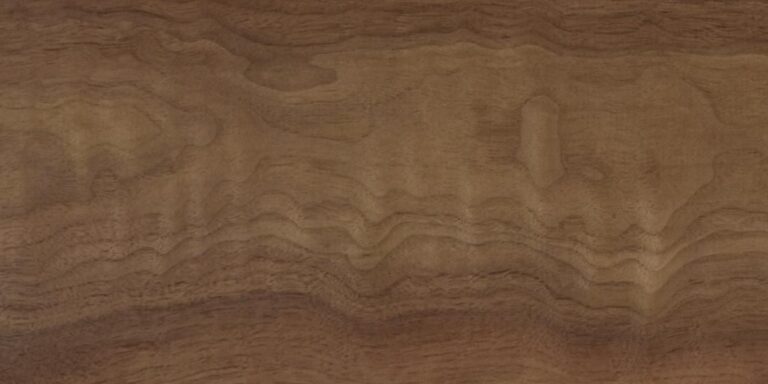
Figured Black Walnut (Juglans nigra) is American Black Walnut with striking figure across the grain, such as curl, crotch or wavy figure. It's the walnut that makers save for their best work.Black Walnut is prized for its deep chocolate color, often with red or purple streaks, a fine texture and a warm luster. Figure adds shimmer and depth that a plain board can't match, and the effect shifts as you move around the piece.It's strong for its weight, stable, shock-resistant and durable, and it's a pleasure to work. Take light passes on figured areas to avoid tear-out, or use a scraper or card scraper for the final surface. An oil finish really brings the figure to life, and a clear topcoat over oil keeps that depth while adding protection.Figured boards are the most sought-after walnut, and the best pieces are limited in supply. They're ideal for showpiece furniture, tabletops, gun stocks, boxes, guitar backs, turnings and veneer. See also plain American Black Walnut and English Walnut.
cabinetry, furniture, gun stocks, interior panelling, specialty items, turnings, veneer
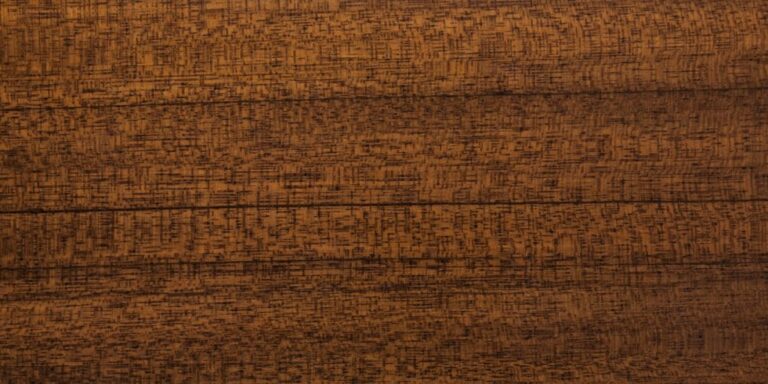
African Walnut (Lovoa trichilioides), also called Dibetou or Congowood, grows in the tropical forests of West and Central Africa. It isn't a true walnut but a member of the mahogany family, though it shares many of walnut's qualities.The heartwood ranges from golden brown to reddish-brown, often with darker streaks, and it deepens to richer brown tones with age. The narrow sapwood is grey to beige. Quartersawn boards can show a ribbon stripe much like Sapele, and figured pieces turn up fairly often.The grain is straight or slightly interlocked, with a fine to medium, consistent texture and a fine natural luster. It works, turns, glues and finishes well, though sharp tools help avoid tear-out on interlocked boards. It's lighter in weight than American walnut, reasonably stable and moderately durable.African Walnut makes a handsome, more affordable alternative to true walnut for many projects. It's used for furniture, cabinetry, paneling, flooring, gun stocks, carving, boatbuilding and veneer. See also American Black Walnut.
boatbuilding, cabinetry, carving, flooring, furniture, gun stocks, joinery, paneling, specialty items, turnings, veneer
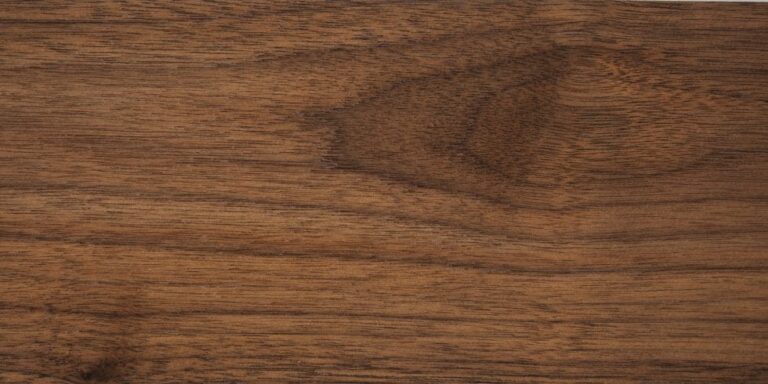
American Black Walnut (Juglans nigra) is one of America's most popular and prized hardwoods, and it's been a favorite of fine furniture makers for centuries. The trees are valued as much for their nuts as for their lumber.It's known for its deep chocolate color, often with red or purple streaks, along with straight to irregular grain, a fine texture and a warm luster. The sapwood is pale cream, and steamed lumber evens out the color, while air-dried boards keep a richer mix of tones.It's strong for its weight, stable once dry, shock-resistant and durable, and its moderate density makes it a pleasure to work. It planes, carves, turns and glues easily and takes an oil finish beautifully, which is why it's long been the top choice for gun stocks.Walnut grows mainly near rivers and streams in the eastern and central US and into southern Ontario. Supply is steady but demand is always strong, making it a premium domestic hardwood. It's used for furniture, cabinetry, gun stocks, paneling, turnings and veneer. For figured stock, see Figured Black Walnut.
cabinetry, furniture, gun stocks, interior panelling, specialty items, turnings, veneer
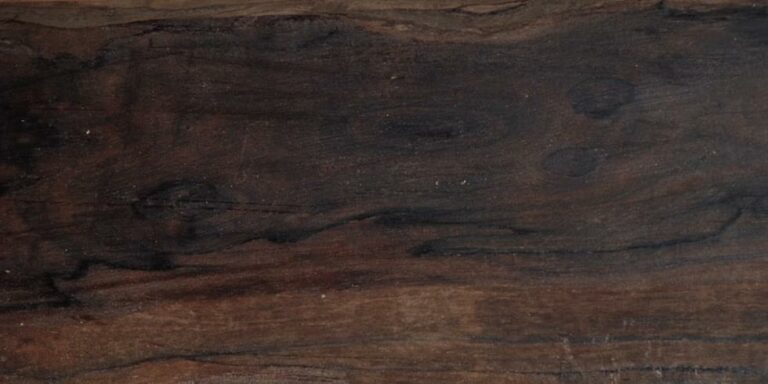
Ziricote (Cordia dodecandra) is one of the most striking exotic woods in the world, famous for its “landscape” or “spiderweb” grain. It grows in southern Mexico and parts of Central America.The color ranges from medium to dark brown, sometimes with a green or purple tint, with irregular black growth rings weaving through it. The sapwood is a dull off-white to pale yellow, and boards with sapwood left on can make for dramatic contrast.Although fairly dense, its mostly straight grain and fine texture make it cooperative to work. It cuts, turns, glues and finishes smoothly. It can be prone to end checking and surface cracks as it dries, so seal ends and store it carefully.Ziricote is a close relative of Bocote, and its dramatic figure has given it something of an elite status among exotic wood enthusiasts. It's prized by guitar makers as a visually stunning tonewood, with a bright, rosewood-like voice. Supply is limited and prices are high. It's also used for fine furniture, cabinetry, gun stocks, turnings, boxes and veneer.
cabinetry, flooring, furniture, gun stocks, joinery, lutherie, musical Instruments, specialty items, trim, turnings, veneer


Imbuia (Ocotea porosa) is a Brazilian hardwood often called Brazilian Walnut, though apart from its brown color it doesn't look much like true walnut. It grows in the cool highland forests of southern Brazil.The heartwood ranges from olive to chocolate brown, sometimes with yellowish or reddish streaks, and its grain is wild and unpredictable. Premium boards show figure that adds to its “delightfully irregular” character. Lighter sapwood can create a striking contrast with the pale to medium golden-brown heartwood. Freshly cut, it has a pleasant, spicy scent.It works well with hand and machine tools, turns nicely and finishes to a soft luster. Density varies with growing conditions, and some boards are noticeably heavier than walnut. Mature trees grow large, so big boards are possible when the wood can be sourced.Imbuia has never been widely available in the US, and supply has become scarcer, but it's a truly distinctive wood for fine furniture, cabinetry, gun stocks, turnings and veneer. If you like the look of walnut, see also Nogal.
boatbuilding, cabinetry, flooring, furniture, gun stocks, turnings, veneer

Kingwood (Dalbergia cearensis), also called Brazilian Kingwood or Violetwood, is one of the densest rosewoods and one of the most colorful. It grows in northeastern Brazil and has been prized by European furniture makers since the 17th century, when it was a favorite for royal cabinetry and marquetry.The reddish-brown heartwood is streaked with dark violet to black, and the pale yellow sapwood often adds dramatic contrast. The grain is usually straight, sometimes wavy or interlocked, with a fine, even texture and natural luster.Logs tend to check and crack, so clean, defect-free boards are rare, especially in larger sizes. It's very rot- and insect-resistant, and its oils can make gluing tricky, so wipe joints with a solvent first. It's also hard on tools, but it turns beautifully and polishes to a glassy finish.Kingwood is a favorite for fine inlay, banding, custom knife handles, pens and turnings, and it's also used for gun stocks, small boxes and veneer. For a softer-colored rosewood, see Tulipwood.
gun stocks, handles, inlay, specialty items, turnings, veneer

Koa (Acacia koa) is one of Hawaii's most beautiful native hardwoods and grows only on the Hawaiian Islands. It's sometimes compared to mahogany in appearance, and it holds a special place in Hawaiian culture, traditionally used for canoes and surfboards.It's generally medium to reddish brown, though color varies a lot, from golden to deep chocolate. Figured boards with strong curl and chatoyance are highly prized and can seem to glow under finish.It's quite stable and fairly easy to work, except where the grain is highly figured or interlocked, where sharp tools and light passes help. It glues and finishes well, and a clear finish brings out its depth.Koa is a very popular instrument wood with a rich, warm tone, used widely for guitar backs and sides, tops and ukuleles. It's also used for fine furniture, gun stocks, turnings, boxes, veneer and specialty pieces. Supply is limited, and highly figured boards command a premium. For a similar look at a friendlier price, see Australian Blackwood.
gun stocks, specialty items, turnings, veneer
Australian Blackwood (Acacia melanoxylon), also called Acacia Blackwood, is a close cousin of Hawaiian Koa, and it's growing in popularity with guitar makers and furniture builders. Despite the name, it isn't black.The tree is native to Australia, but our stock is grown in South Africa, where it was introduced in the 1800s and is now grown commercially. That shorter, more direct supply line makes it a far more cost-effective choice than imported Australian or Hawaiian woods, with the same good looks.The heartwood ranges from light golden brown to darker browns, often with streaks of other colors, and it's clearly set apart from the tan to light grey sapwood. The grain runs from straight to wavy or interlocked, with a fine texture and an impressive luster. Figured boards with Koa-like shimmer turn up only occasionally, so they're worth snapping up when they do. Apart from occasional tear-out, it works easily, and it turns, glues and finishes well.Tough, durable and good for bending, it's used for guitar backs and sides, furniture, cabinetry, boatbuilding, gun stocks and turnings.
boatbuilding, cabinetry, furniture, gun stocks, specialty items, turnings, veneer
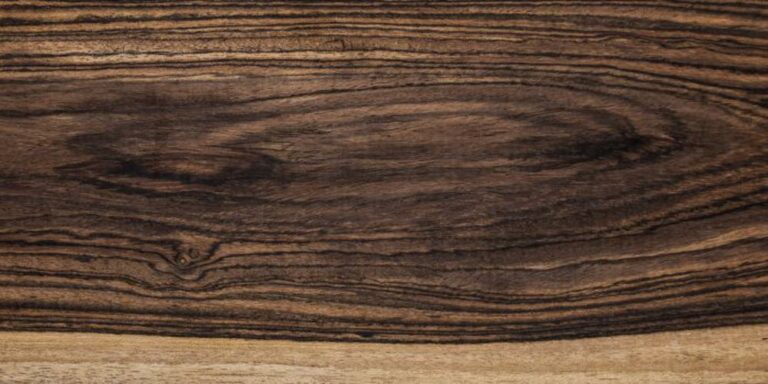
Bocote (Cordia spp.) is a Mexican and Central American hardwood with a golden brown base and dark brown to black stripes.Its best boards are covered in tiny “eyes” in the grain. These aren't knots and cause no trouble when machining. In pieces grown south of Mexico, the base color can be a bright, muted orange.Despite its oily nature, Bocote glues surprisingly well, and it turns and finishes nicely. Some boards contain silica, which can dull blades, so keep a spare sharp edge handy.Its striking looks make it a favorite with furniture and cabinet makers, guitar builders and turners, and it's also used for gun stocks, flooring and veneer. It's related to Ziricote and Louro Preto.
boatbuilding, cabinetry, fine furniture, flooring, gun stocks, specialty items, turnings, veneer