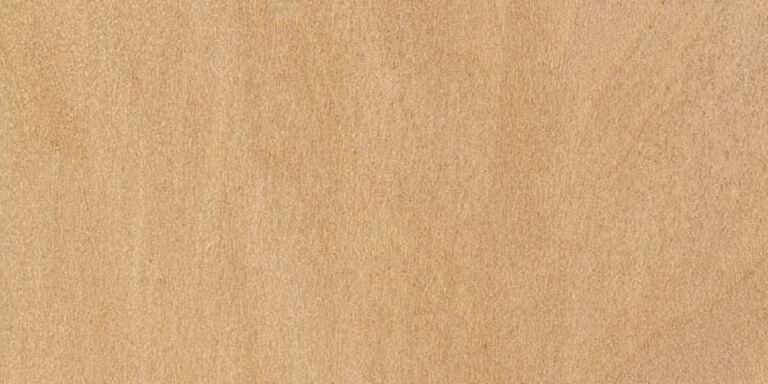

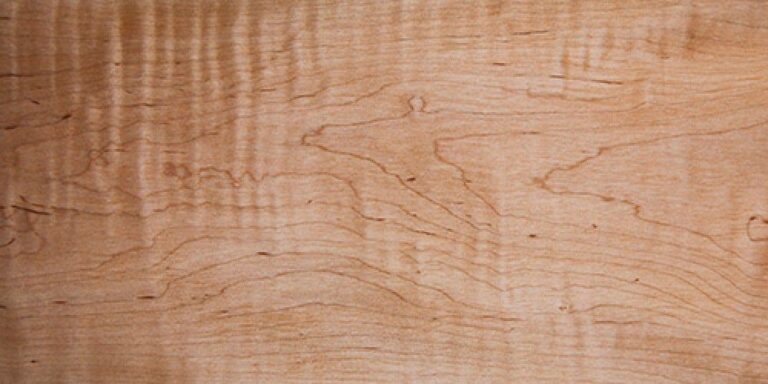
Curly Soft Maple is Red Maple (Acer rubrum) with shimmering curl figure. Red Maple is the heaviest and most common of the soft maples and grows across the eastern US and Canada, including here in Maine.The pale white to golden sapwood is the most valued part, and the figure can include tiger stripe, fiddleback and occasionally quilt. Curl is actually more common in soft maples than in hard, so there's plenty of character to choose from. Our stock generally ranges from light to medium figure.It's a little easier to work than hard maple. Take light passes to avoid tear-out in the figure, and go slowly with high-speed tools, as maple can burn. A dye or oil finish brings the curl to life.Curly Soft Maple is popular for guitar bodies and tops, furniture, boxes, turnings, specialty items and veneer, and it's a more affordable way to get the curly maple look. For a darker version, see Roasted Curly Soft Maple, and for harder stock, see Curly Hard Maple.
boxmaking, specialty items, turnings, utility lumber, veneer
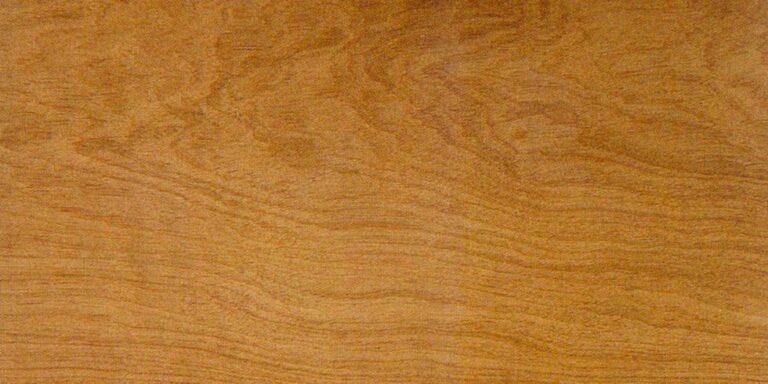
Sneezewood (Ptaeroxylon obliquum) is a South African hardwood with a reputation as one of the most durable, rot- and insect-resistant woods in the world, once classed as “imperishable” in its homeland. The name comes from the fine, peppery dust, which can make you sneeze.The heartwood is light to medium golden brown, sometimes darker toward the center, with a fine texture and an attractive sheen. The grain is straight or wavy, sometimes interlocked, and the wood is aromatic when worked.It's dense, which makes it somewhat difficult to work, but it's very stable once dry. It turns and finishes well, though its natural oils can make gluing tricky. Use good dust extraction and a mask.Sneezewood has long been used for fence posts, railway sleepers and bearings in South Africa, where old posts are said to have lasted for generations. Today it's used for turnings, carving, furniture, knife handles, specialty pieces and demanding outdoor work. For another tough South African wood, see Leadwood.
carving, construction, furniture, specialty items, turnings, utility lumber
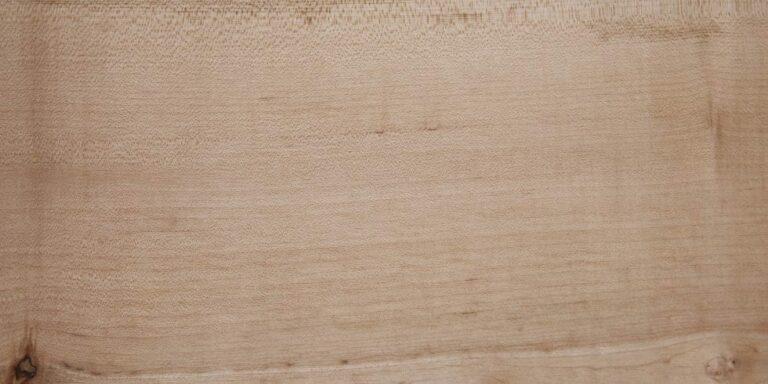
European Sycamore (Acer pseudoplatanus), also called French Sycamore, is a true maple, not the American sycamore or plane tree. As with other maples, the pale sapwood is the part that's prized.The sapwood ranges from almost pure white to light cream, sometimes tinted golden or muted red, while the heartwood is a medium to dark reddish-brown. The grain is usually straight, sometimes wavy, and figured boards with strong curl or flame can be truly dramatic.Its fine, even texture makes it easy to work by hand or machine, though like other maples it can burn with dull cutters or slow feed rates. It turns, glues and finishes well, with a good natural luster, and its pale color takes stains and dyes evenly.European Sycamore has been the traditional wood for the backs, sides and necks of violins, violas, cellos and basses for centuries, valued for its resonance at a moderate weight, which is why it's usually sold quartersawn. It's also used for furniture, cabinetry, flooring, turnings and veneer. For a North American cousin, see Curly Hard Maple.
cabinetry, flooring, furniture, joinery, millwork, musical Instruments, specialty items, turnings, utility lumber, veneer
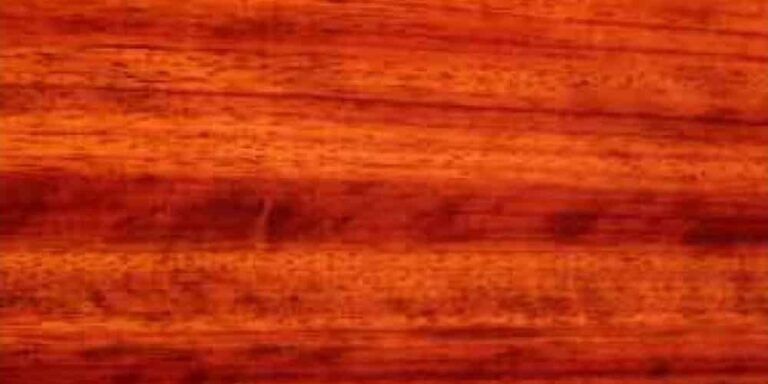
African Padauk (Pterocarpus soyauxii) is a strong, very stable hardwood from Central and West Africa known for its bold color, and it's a reasonably priced exotic.Freshly cut, it's a vivid orange-red, deepening over time to a robust reddish-brown. Colors can range from bright orange to muted burgundy, with grain lines in brick red or purple. The best boards have long, straight grain with ribbon figure and deep chatoyance. A finish with UV protection helps keep the color bright.The grain is mostly straight, sometimes interlocked, with large pores and a texture similar to African Mahogany. It works and finishes very well, though its fine red dust gets everywhere and can irritate, so use good extraction. The trees grow over 100 feet tall, so long, wide boards are available.Padauk is durable and resistant to insects and termites, and it's been used outdoors in Africa for centuries. It's used for furniture, flooring, trim, handles, turnings, marimba and xylophone bars, and accents. For a related wood, see Kiaat.
flooring, furniture, handles, specialty items, trim, turnings, utility lumber, veneer
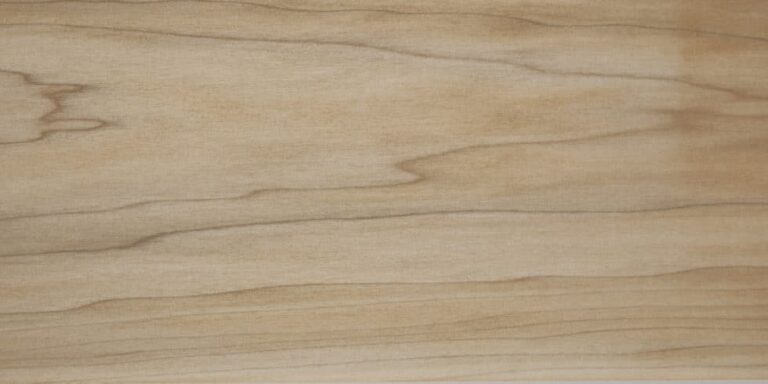
Yellow Poplar (Liriodendron tulipifera), also called Tulip Poplar or American Tulipwood, comes from the tallest hardwood tree in the eastern US, and it's one of the lightest hardwoods. Despite the name, it isn't a true poplar: its tulip-shaped flowers give it its other names.The heartwood is a light cream color, often with grey or green mineral streaks, and the sapwood is ivory to white. Especially colorful boards, with streaks running from red and purple to green and black, are known as Rainbow Poplar. The green tones darken to brown with light exposure.The grain is straight and uniform and the texture medium, so it's very easy to work, and it glues and finishes well when finely sanded. It takes paint better than almost any other hardwood, which makes it the go-to choice for painted work. It's moderately durable and very affordable.It's used for paneling, painted furniture, trim and moulding, drawer sides, crafts, carving, instruments and veneer, and it's a popular electric guitar body wood. For another light, easy-working hardwood, see Basswood.
crafting, lutherie, musical Instruments, paneling, utility lumber, veneer

Sassafras (Sassafras albidum) is a native hardwood of the eastern United States known for its aroma. It's better known for the oil from its roots and bark, once used to flavor root beer, than for its lumber, so boards are hard to come by.Its straight grain, coarse texture and tan to light brown color make it easy to mistake for Ash, though it sometimes has pale orange to olive green tints. The color darkens to a warmer brown with age.It's fairly light, yet stable once dry, very durable and easy to work. Its pleasant, spicy scent is noticeable when you cut it. It glues and finishes well and takes a clear finish nicely, which warms its color.Sassafras was traditionally used for boat building, fence posts and buckets, thanks to its rot resistance. Today it's used for furniture, boatbuilding, turnings, boxes and general woodworking. The trees are small, so even craft-sized pieces aren't often offered. Because the dust can irritate, use dust extraction when sanding.
boatbuilding, furniture, turnings, utility lumber


Sapele (Entandrophragma cylindricum) is an important African hardwood from the mahogany family, grown across tropical West and Central Africa. It's one of the most popular substitutes for Genuine Mahogany, at a significantly lower price.Its color ranges from light golden brown to darker reddish or pinkish-brown, darkening with age. It's moderately durable and stable, with a beautiful natural luster and a faint cedar-like scent when cut.Sapele is famous for its figure, especially the ribbon stripe on quartersawn boards, and you'll also find pommele, quilted, mottled, waterfall, beeswing and fiddleback. Highly figured boards can command high prices. It works, turns and finishes beautifully, though interlocked grain can tear out when planed, so take light final passes.The trees grow very large, so wide, long boards are readily available. Sapele is used for furniture, cabinetry, doors, windows, guitar backs, sides and necks, boatbuilding, flooring, turnings and veneer. For a close cousin, see Sipo.
boatbuilding, cabinetry, flooring, furniture, specialty items, turnings, utility lumber, veneer

Makore (Tieghemella heckelii), sometimes called African Cherry or Cherry Mahogany, is a beautiful hardwood from the rainforests of West Africa. It's strong and durable for its moderate density, it's often used as a mahogany substitute, and it has served many roles in its native Africa for centuries.The heartwood ranges from pink to light and medium reddish-brown, with clearly paler yellow sapwood. Quartersawn boards often show striped, mottled or even beeswing figure, with a fine, even texture and a lovely luster.It's usually straight-grained and easy to work, though some boards are wavy or interlocked, and it turns well. Its silica content can dull blades, so carbide tools help, but it gives the wood a fine luster and causes no trouble with gluing or finishing. The fine dust can irritate, so use good extraction.The trees grow very tall, so long, wide and thick boards are available. Makore is used for fine furniture, cabinetry, boatbuilding, flooring, turnings and veneer, and its color makes it a handsome alternative to Cherry.
boatbuilding, cabinetry, flooring, furniture, specialty items, turnings, utility lumber, veneer
Soft Maple isn't a single species. It's the name for the lighter maples, and ours is Red Maple (Acer rubrum), the heaviest and most common of them, found across the eastern US and Canada. Like all our maples, it's a Maine local.As with all maples, the pale white to golden sapwood is valued more than the darker heartwood. The grain is usually straight with a fine, even texture, and it's only slightly softer than Hard Maple, so it's hard enough for most furniture.It's a little easier to work than Hard Maple, and it machines, turns, glues and finishes well. Go slowly with high-speed tools, as maple can burn, and test stains first, as it can blotch. Figure can be dramatic, from tiger stripe and fiddleback to the occasional quilt.Its extra weight makes Red Maple the most useful of the soft maples for furniture and utility work. Soft Maple is a versatile, affordable choice for cabinetry, painted furniture, boxes, turnings, millwork and veneer. For figured stock, see Curly Soft Maple.
boxmaking, specialty items, turnings, utility lumber, veneer
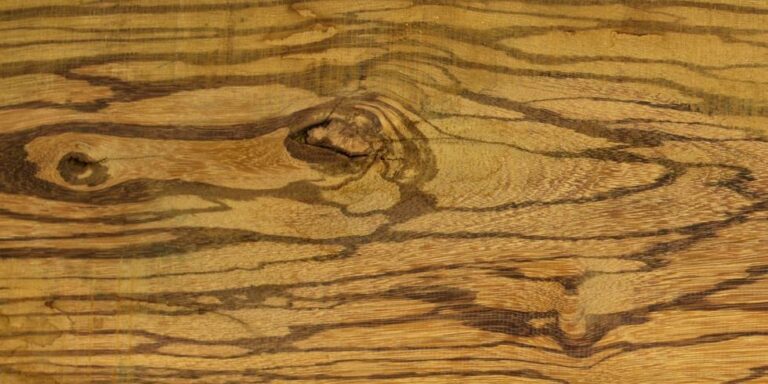
Marblewood (Zygia racemosa) is a South American hardwood that gets its name from its marble-like look: pale yellow wood streaked with dark brown, purple or black.Only the heartwood carries the striping, which is random and irregular, so no two pieces are alike. It looks a little like Zebrawood, but it's coarser and unrelated. Premium boards have bold, high-contrast stripes with few defects.It's heavy, dense and strong, which can make it hard to work, especially where the grain is interlocked, but it's very stable and can be sliced thin and hold its shape. It's also resinous, so thorough kiln-drying is essential if you plan to finish it. Small surface checks that won't sand out are common, so pick boards carefully. Sharp blades and a bit of patience deliver stunning results.Marblewood is popular with turners, and its strength and durability also suit flooring, furniture, cabinetry, carving, knife handles and veneer. For another striped wood, see Goncalo Alves.
cabinetry, carving, flooring, furniture, turnings, utility lumber, veneer
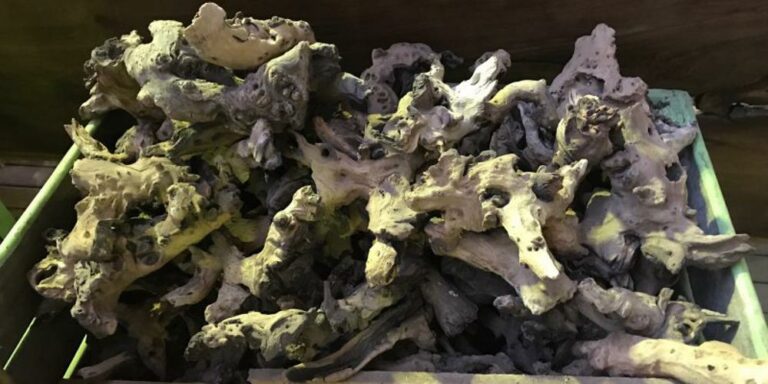
Mopane (Colophospermum mopane) is one of the densest, most stable and durable woods in the world, and still one of southern Africa's best-kept secrets. The tree is known for its butterfly-shaped leaves and is an important food source for the mopane worm, a local delicacy. We stock the roots, and the details here describe the wood.The heartwood is medium to dark brown with a golden to reddish tint, often with black streaks. It's very resistant to insects and has long been used outdoors in its native region. Root pieces offer some of the most interesting figure, with swirling grain and natural shapes.The interlocked grain and great density make it hard to work, but it turns smoothly, polishes to a deep luster and holds fine detail. The trees grow wide and irregular, so large boards are rare.Mopane has been used for centuries for carved woodwind instruments and is valued for its tone, similar to African Blackwood, and it's used today for bagpipe chanters and clarinets. It's a favorite with turners and carvers, and root pieces make striking bowls, bases and natural-edge art.
carving, construction, fencing, flooring, furniture, turnings, utility lumber
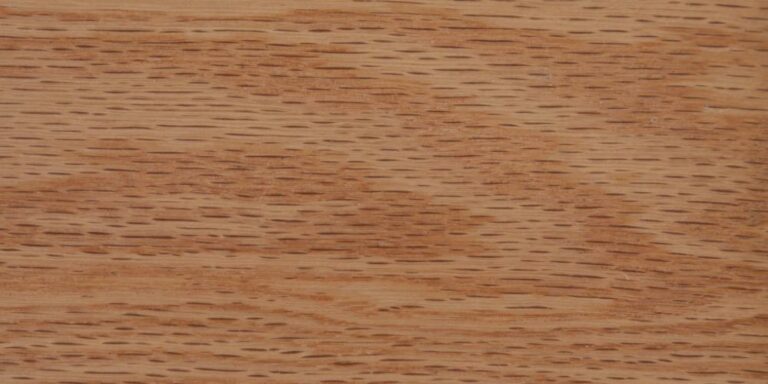
Red Oak (Quercus rubra), also called Northern Red Oak, grows across the eastern US and Canada. It's one of America's most popular hardwoods thanks to its strength, hardness and moderate price.The heartwood is light brown with a reddish tint, and the sapwood can be hard to tell apart. The grain is usually straight, with a coarse texture and large, open pores, and quartersawn boards show the ray fleck oaks are known for.It works, glues and finishes well, and it takes stain evenly, which makes it easy to match existing furniture. It shrinks a fair amount as it dries, so quartersawn stock is the most stable choice. Its open pores let water through, so it isn't durable outdoors and isn't suitable for boats.Red Oak is a favorite with furniture builders and cabinetmakers and has long been a staple of American interiors, from floors and trim to kitchen cabinets. It's also used for handles, stair parts and veneer. For a more durable, water-resistant oak, see White Oak.
cabinetry, flooring, furniture, handles, utility lumber, veneer


Iroko (Milicia spp.) is a tough, durable hardwood from tropical West and Central Africa that's often used in place of Teak. It's one of Africa's most important timbers.Its golden to medium brown color, coarse texture and interlocked grain give it a very Teak-like look. Freshly cut, it can be quite yellow, but it darkens to a richer brown with age and light exposure.It's lighter than Teak but resistant to rot and insects and strong for its weight, with good stability once dry. Despite the interlocked grain, it isn't difficult to work, and it glues and finishes well. Occasional hard mineral deposits can dull blades, and the dust can irritate, so wear a mask when machining.Iroko has long been used across Africa in many of the same roles Teak fills elsewhere. It's a great choice for boatbuilding, outdoor furniture, decking, flooring, cabinetry, countertops and general construction, and it offers Teak-like performance at a friendlier price.
boatbuilding, cabinetry, construction, flooring, furniture, specialty items, turnings, utility lumber, veneer
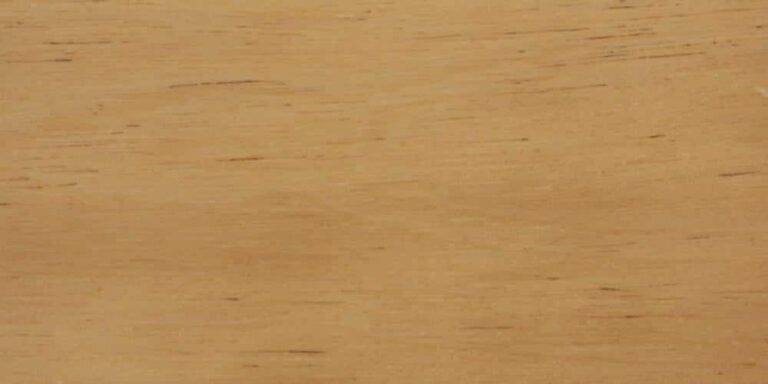
Jelutong (Dyera costulata) is a light-colored Southeast Asian wood from Malaysia and Indonesia. Its trees were once tapped for latex used in chewing gum, before gum makers switched to synthetics.The wood is pale cream to straw-colored, with a generally straight grain and a fine, even texture. You may see small slit-like latex canals in some boards, a reminder of the tree's history.It's a favorite with carvers. The low density makes it exceptionally easy to work, and it's dimensionally stable and takes stain and finish well, with a subtle luster. It holds detail better than you might expect for such a soft wood, and it sands smoothly. It isn't durable outdoors, so keep it inside.The trees grow tall, so wide, clear boards are common, though lumber can be hard to find in the US. In Southeast Asia it's used much like Basswood: for carving, pattern-making, models, picture frames, drawing boards and utility work. It's an excellent choice for beginners learning to carve.
carving, specialty items, utility lumber