

Yellow Rosa (Aspidosperma sp.) is a vibrant yellow hardwood and an excellent alternative to Yellowheart. The Aspidosperma genus grows across Central and South America and includes several well-known timbers, such as Peroba Rosa.It's mostly golden, but some boards show soft patches of pink and orange, reminiscent of Peroba Rosa's classic tones. The grain is mostly straight with a fine, even texture, and those occasional color shifts give each board a bit of individuality.It's fine-textured and durable, with a good balance of beauty, strength and workability, and it takes a finish well. A clear finish brings out its warm golden glow, and like most yellow woods it slowly mellows to a deeper gold over time. Sharp tools help where the grain is irregular, and it sands to a smooth, even surface.Yellow Rosa is well suited to fine furniture, flooring, cabinetry, boxes, crafts and other woodworking where you want a splash of color. It pairs especially well with dark woods like Black Walnut or Wenge for contrast.
boxmaking, cabinetry, crafting, fine furniture, flooring, furniture

Curly Redwood (Sequoia sempervirens) is a rare, prized form of the iconic Coast Redwood, the tallest tree species on Earth, which grows along the coast of northern California and southern Oregon.Its swirling, intricate figure creates a shimmering, three-dimensional effect when properly finished, over a rich reddish-brown color. The figure comes from irregularities in the tree's growth, and much of today's curly stock is salvaged from old logs and stumps.Redwood is light and soft, so it's easy to work, but sand carefully to bring out the figure without tearing the soft grain. A clear finish makes the shimmer pop. It's naturally resistant to decay, though curly pieces are usually reserved for indoor showpieces.Curly Redwood is treasured by guitar makers for instrument tops, where it offers a warm tone and a striking look, and by woodworkers for fine furniture, cabinetry, boxes, decorative accents and specialty pieces. It's rare, and well-figured pieces are always in demand. For another figured top wood, see Quilted Maple.
cabinetry, crafting, lutherie, musical Instruments, specialty items
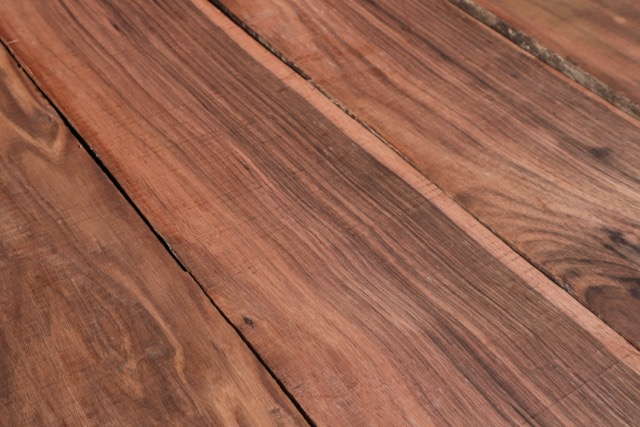
Malaysian Blackwood (Diospyros ebonasea), also called Malaysian Ebony, is a true ebony from Southeast Asia.It's prized for its dense, dark heartwood, which ranges from deep brown to black. Many boards show striking spiderweb-like patterns, so each piece is unique.Like other ebonies it's hard and dense, so use sharp tools and take your time. The reward is a smooth surface that polishes to a fine, lustrous finish and holds crisp detail.Malaysian Blackwood is used for musical instruments, fine furniture, boxes, turnings and other luxury pieces where its color and figure can stand out. If you like its look, take a look at Ziricote and Amara Ebony too.
boxmaking, cabinetry, crafting, fine furniture, lutherie, musical Instruments, specialty items, turnings

Roasted Birdseye Maple is Birdseye Maple that has been thermally modified. The wood is heated gradually to over 160°C in oxygen-free chambers, a natural, chemical-free process that darkens it to a rich caramel or chocolate brown while keeping the birdseye figure.The heat changes the wood's cell structure, so it absorbs less moisture. That makes it more dimensionally stable, which guitar makers value for necks and fretboards. It also becomes a little more brittle, so it chips more easily than unmodified maple, and it's best for tops, panels, flooring and instrument parts rather than intricate joinery. It also smells pleasantly toasty when cut.The very dry wood soaks up finish, so plan on a generous coat. Our in-house woodworker has had excellent results with Osmo Polyx-Oil, and he suggests a thicker finish works best. Use sharp tools and light passes to avoid chipping around the eyes.Roasted Birdseye Maple is popular for guitar necks and fretboards, fine furniture, knife handles, bandings and specialty pieces, where it gives the look of a dark exotic with the familiarity of maple.
bandings, crafting, fine furniture, flooring, knife handles, lutherie, musical Instruments, specialty items
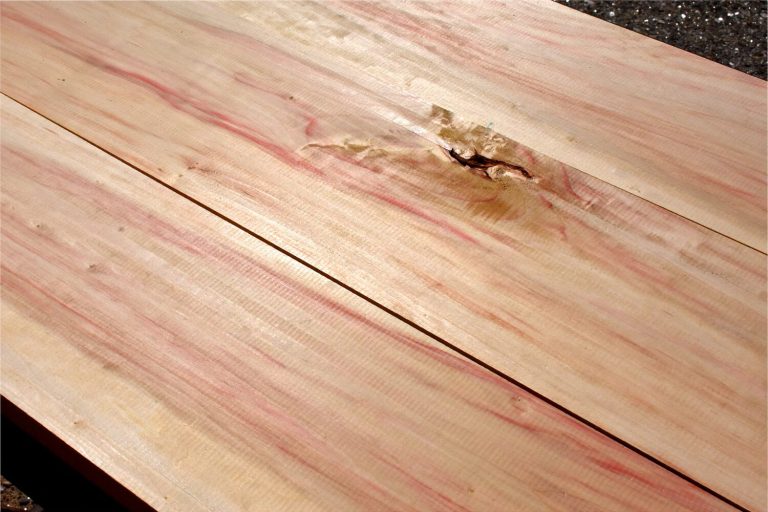
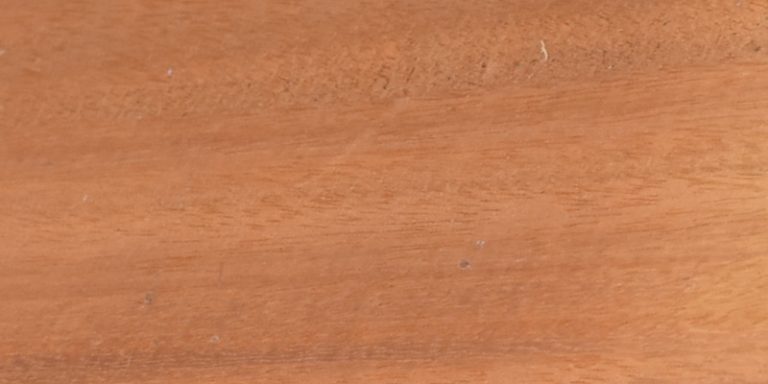
Argentine Osage Orange (Maclura tinctoria), also called Fustic or Mora, is a South American relative of the domestic Osage Orange, with the same bright yellow-orange color. It grows from Mexico to Argentina, and was once a major source of yellow dye.It usually comes in larger sizes, with cleaner lumber and fewer defects than the US species. Like its cousin, its color deepens over time toward a richer golden brown, and a finish with UV protection slows the change. The grain is straight to interlocked with a medium texture.It's hard and dense, so it's tough on tools, but it turns and finishes well, polishing to a lovely luster. Sharp tools and light passes give the cleanest results. It's naturally durable, sharing much of its cousin's resistance to rot.It's a great choice for boxes, inlay, carving, cabinetry, crafts, bows, turnings and specialty pieces where you want a splash of color, and its larger, cleaner boards make it easier to use than the domestic species. For another bright yellow, see Yellowheart.
boxmaking, cabinetry, carving, crafting, inlay, specialty items
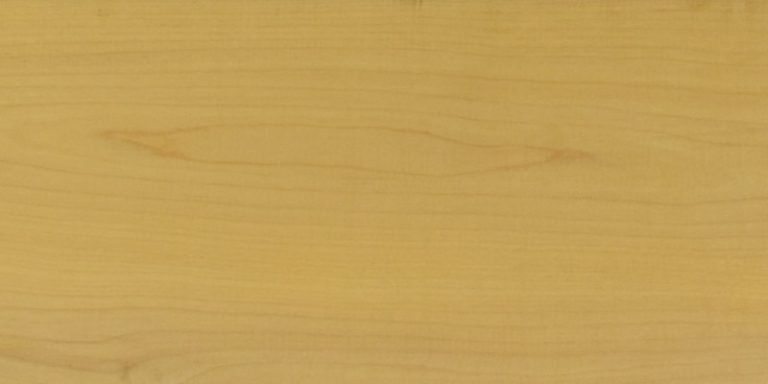
Yellow Birch (Betula alleghaniensis) is one of the most useful North American hardwoods, and ours is sourced locally in Maine. It's a well-priced alternative to Maple.The heartwood ranges from pale yellow to a light reddish-brown, with grayish-white sapwood. The grain is generally straight and the texture fine and even. Figured boards with wide curl, similar to Cherry, are especially prized and sold as Flame Birch.It works easily, and it turns, glues and finishes well, though most boards have little natural luster until finished. It's strong and hard-wearing, but it isn't durable outdoors, so keep it protected.Yellow Birch is used for cabinetry, furniture, flooring, boxes and crafts, and it's one of the most popular woods for veneer and plywood.
boxmaking, cabinetry, crafting, flooring, furniture
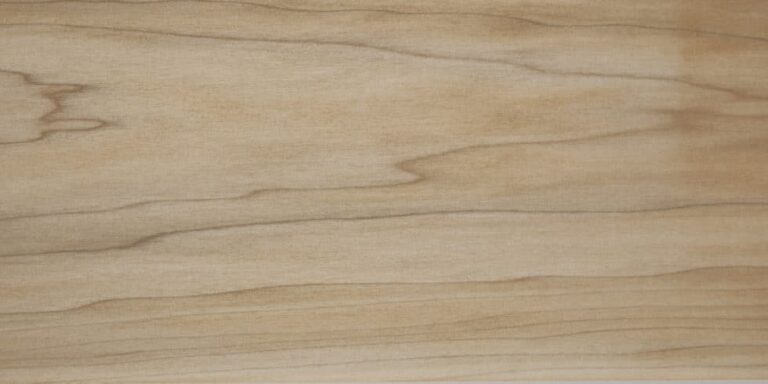
Yellow Poplar (Liriodendron tulipifera), also called Tulip Poplar or American Tulipwood, comes from the tallest hardwood tree in the eastern US, and it's one of the lightest hardwoods. Despite the name, it isn't a true poplar: its tulip-shaped flowers give it its other names.The heartwood is a light cream color, often with grey or green mineral streaks, and the sapwood is ivory to white. Especially colorful boards, with streaks running from red and purple to green and black, are known as Rainbow Poplar. The green tones darken to brown with light exposure.The grain is straight and uniform and the texture medium, so it's very easy to work, and it glues and finishes well when finely sanded. It takes paint better than almost any other hardwood, which makes it the go-to choice for painted work. It's moderately durable and very affordable.It's used for paneling, painted furniture, trim and moulding, drawer sides, crafts, carving, instruments and veneer, and it's a popular electric guitar body wood. For another light, easy-working hardwood, see Basswood.
crafting, lutherie, musical Instruments, paneling, utility lumber, veneer
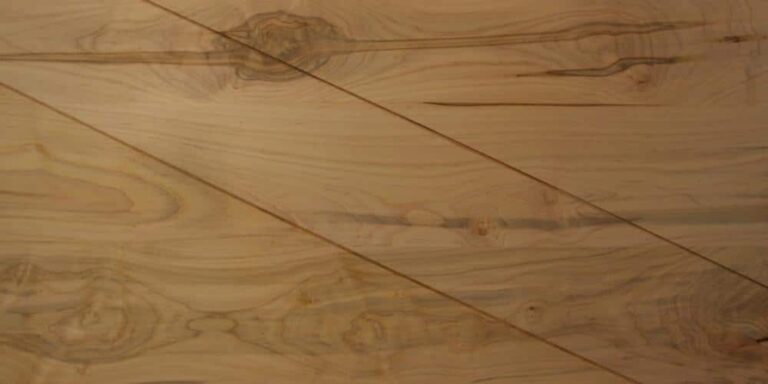
Ambrosia Maple isn't a species. It's maple, most often Red or Sugar Maple, marked with colorful streaks and small holes left by the ambrosia beetle. It's sometimes called Wormy Maple.The beetle burrows into the tree and carries a fungus with it, which feeds its young. As the fungus spreads through the sap, it stains the wood with streaks, mostly blue-grey and sometimes greenish or brown, around the small tunnels. The beetles prefer freshly cut, drying wood and don't return once it's been kiln-dried, so the holes are no cause for concern.The result is a darker, more characterful surface than plain maple, with the same high luster and often other maple figure too, so every board is unique. It works as easily as any maple. Fill the beetle holes with epoxy or leave them as they are, and go slowly with high-speed tools, as maple can burn.Ambrosia Maple isn't durable outdoors, but it's stable enough for furniture, tabletops, guitars, cutting boards, turnings, crafts and veneer. For another naturally marked maple, see Spalted Maple.
crafting, furniture, lutherie, specialty items, turnings, veneer
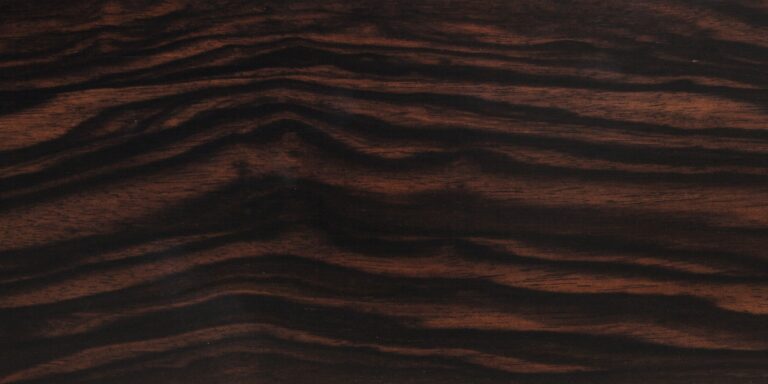
Macassar Ebony (Diospyros celebica) comes from the Indonesian island of Sulawesi and is one of Southeast Asia's best-known exotics. It's one of our favorites, with a classic striped look that has been prized for luxury furniture since the Art Deco era.Deep brown dominates, with stripes that can include green, yellow, burgundy, red, orange and even peach in the best pieces. Stripes are usually broad and bold, often twisting and overlapping, and boards with fine, tight, even striping are rarer and more desirable. The sapwood ranges from dull tan to light golden brown.Like other dense woods, it can be hard to work and hard on blades, and it's prone to checking, so store it carefully. It rewards the effort with a superb finish, polishing to a deep, glassy luster.Macassar Ebony is in constant demand for veneer and is prized by guitar makers for backs, sides and fretboards, where its density gives a bright, clear tone. It's also used for cabinetry, pool cues, turnings, boxes and inlay. See also Amara Ebony.
cabinetry, crafting, pool cues, specialty items, turnings, veneer
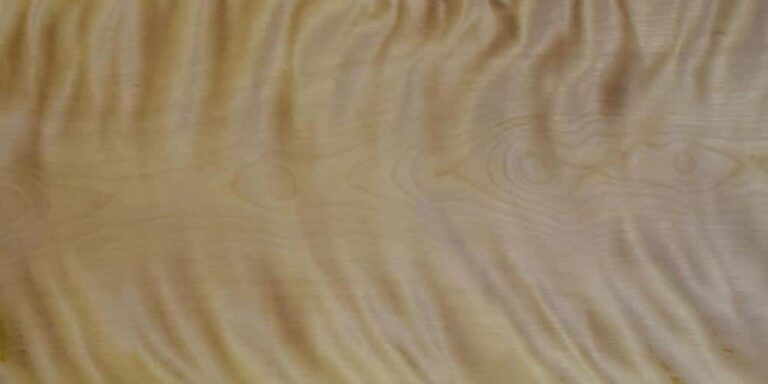
Flame Birch isn't a separate species. It's Yellow Birch (Betula alleghaniensis) with a bold, wavy flamed figure running across the grain.The heartwood ranges from pale yellow to a light reddish-brown, with grayish-white sapwood. The best boards show wide, dramatic curl, similar to figured Cherry, that shimmers under a clear finish.It works easily and turns, glues and finishes well, though most boards have little natural luster until finished. It isn't durable outdoors, so keep it protected.Flame Birch is a favorite for boxes, turnings, crafts and specialty pieces where the figure can take center stage, and the best logs go to veneer. For a darker, more stable version, see Roasted Flame Birch.
boxmaking, crafting, specialty items, turnings, veneer
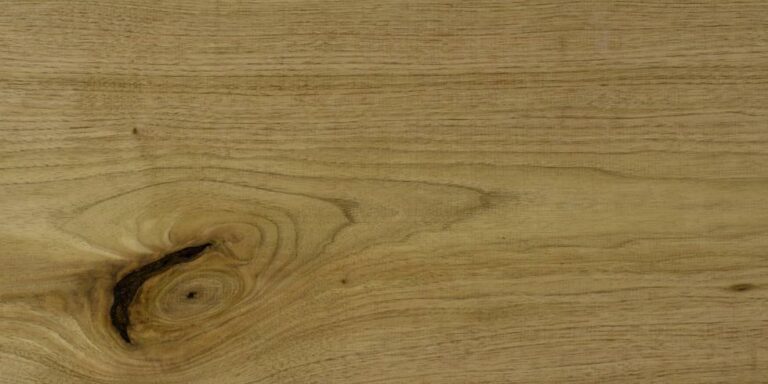
Butternut (Juglans cinerea) is often called White Walnut, and it's a true member of the walnut family. It grows across the eastern United States and southeastern Canada, and it's much lighter and softer than its walnut cousins.The color is a pleasant light tan with a soft, pastel look, and some boards carry a pink or reddish tint. The grain is mostly straight with a medium to coarse texture, and the tree's fluted trunk can produce irregular, eye-catching figure. It looks a lot like a pale walnut, which makes it a handsome choice for furniture with a softer, lighter tone.Its low density makes it very easy to work by hand or machine, and like other walnuts it turns, glues, stains and finishes well. Despite being soft it's fairly durable, though like all walnuts it can be attacked by insects, and it dents more easily than harder woods.Butternut is a favorite with carvers and is also used for furniture, paneling, boxes, crafts and veneer. Many North American trees have been lost to butternut canker, a fungal disease, so good lumber is becoming harder to find. For a darker walnut, see American Black Walnut.
boxmaking, carving, crafting, furniture, veneer